Last updated November 23, 2026
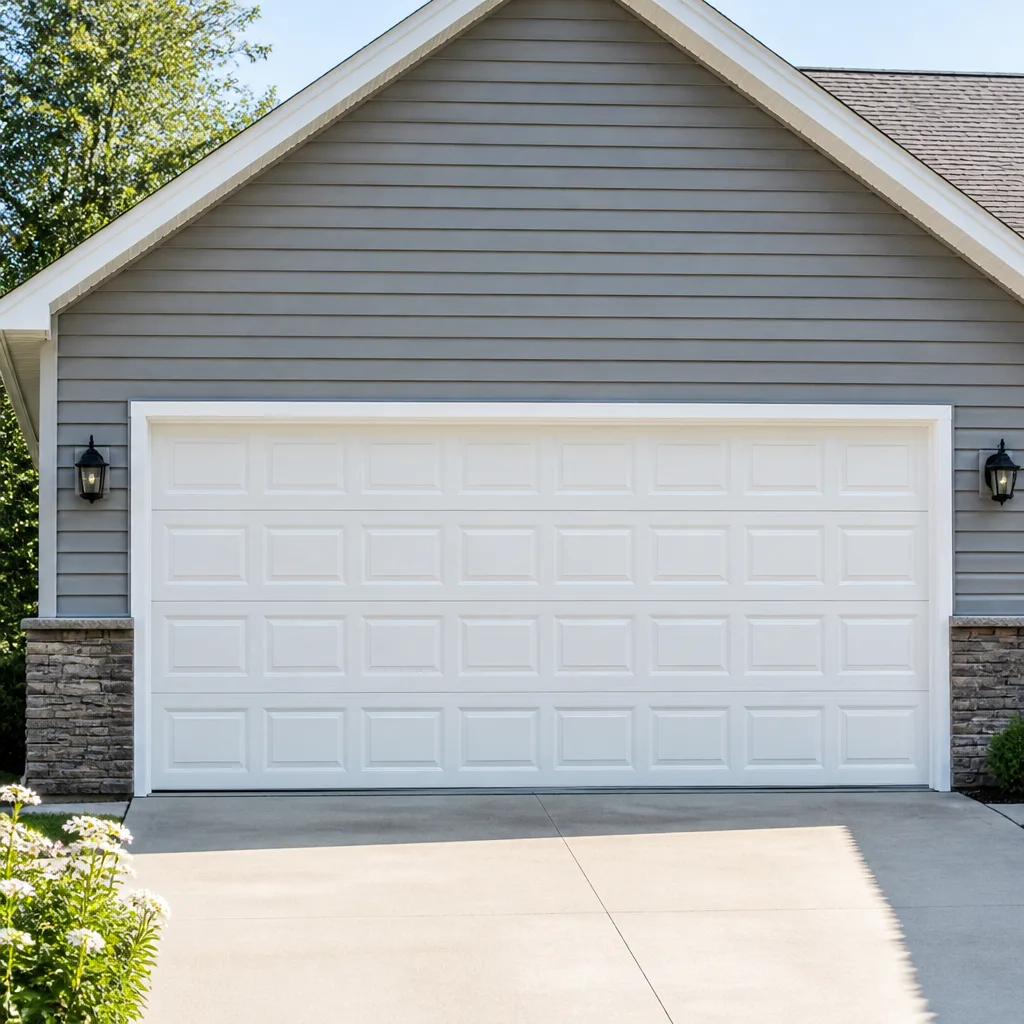 Raised-panel steel
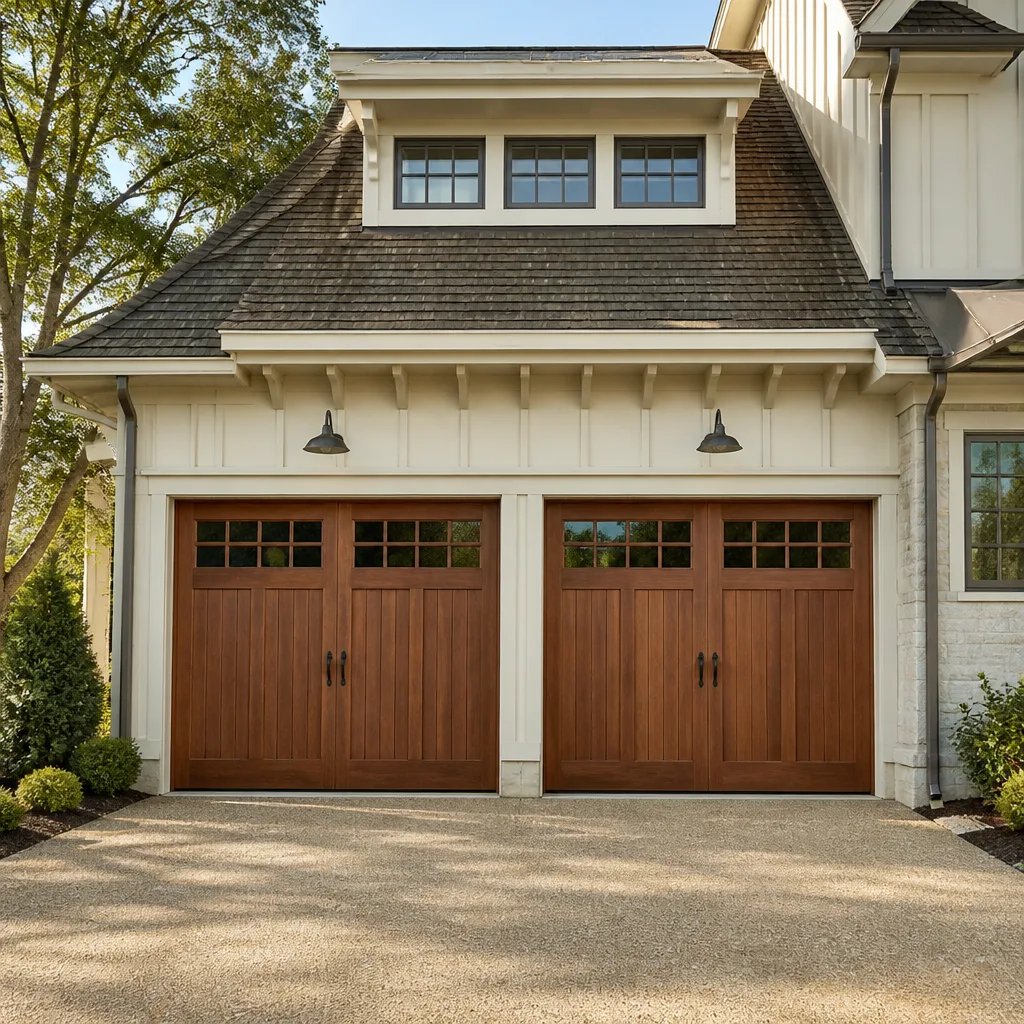 Carriage house
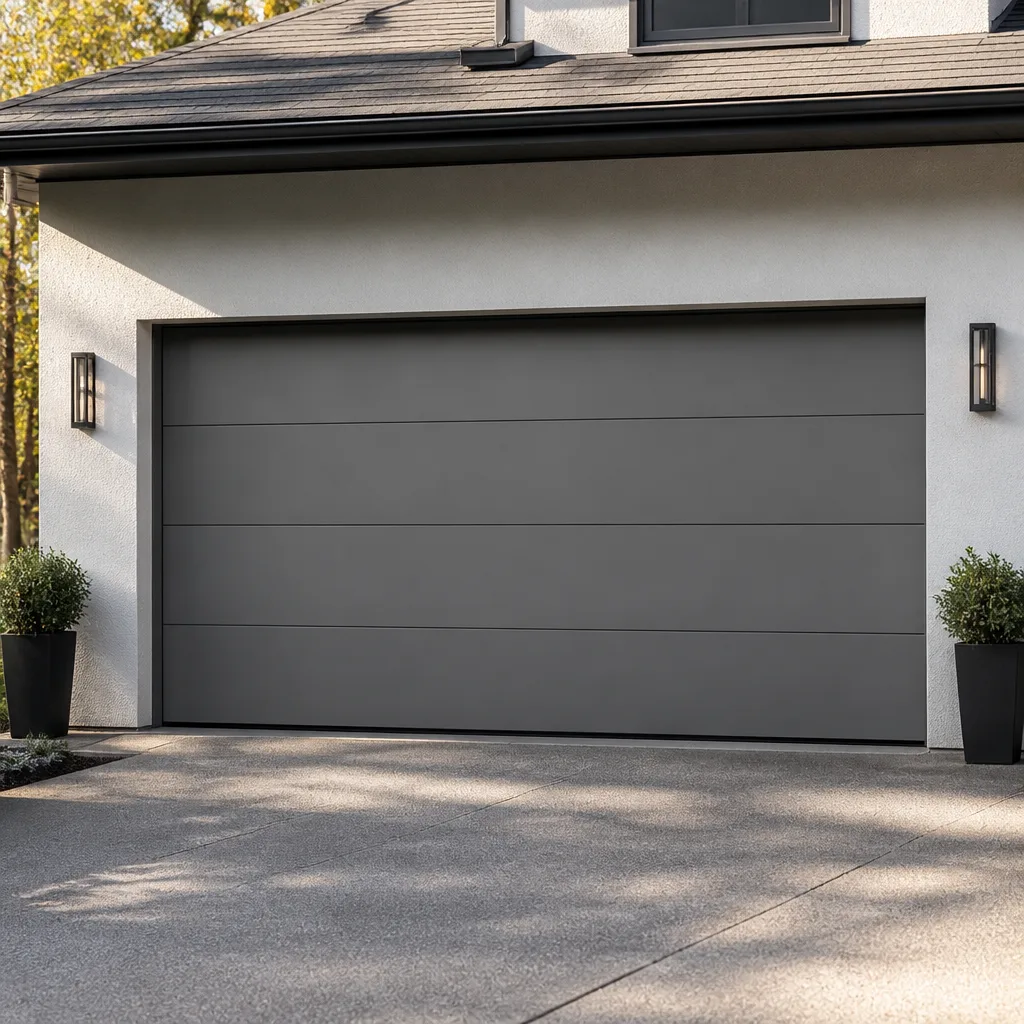 Modern flush
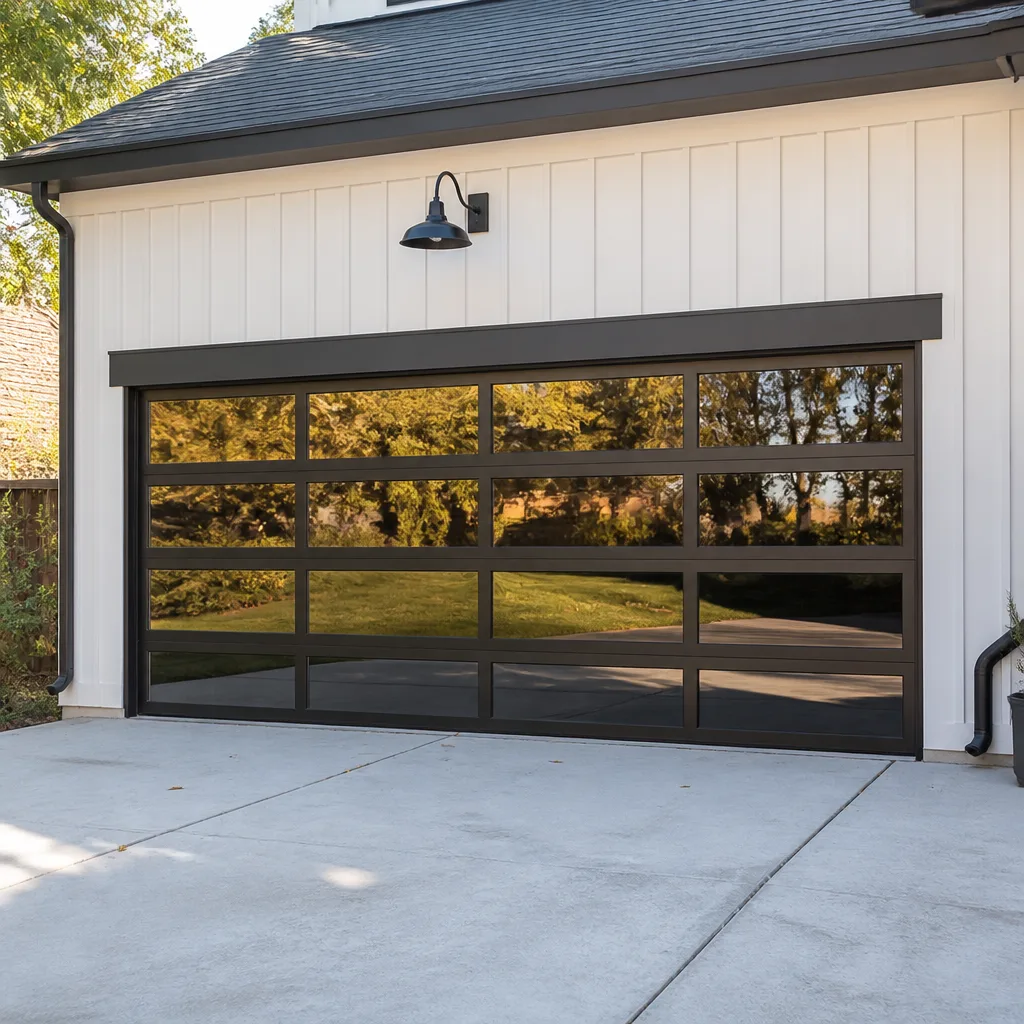 Full-view glass
 LiftMaster openers
 Chamberlain openers
Full 25-point door and opener safety check with every visit - springs, cables, rollers, tracks, and your LiftMaster or Chamberlain opener included
You get a price before we start. It does not change when the pro arrives.
Get your free estimateGarage Door Repair Maintenance Checklist for Winter Haven Homeowners
Most garage door advice you’ll find online was written for a four-season climate, and it shows. It tells you to lubricate everything in sight and brace for winter. In Winter Haven, the failure pattern is different. The call we get most often isn’t a snapped spring at all. It’s a bottom bracket that quietly corroded over a year and a half while the homeowner kept greasing the springs, the hinges, and everything else that wasn’t the problem. Central Florida’s heat and humidity push a door through a predictable sequence of wear, and once you know the order, you can get ahead of it. This guide walks through a month-by-month schedule built for Polk County, not Minnesota: which parts fail first, which lubricants actually hold up above 90°F, and the two checks most homeowners skip that prevent the priciest repairs.
Quick Answer
For a Winter Haven homeowner, garage door maintenance means checking and lubricating the moving parts quarterly, testing the safety reversal and balance every month or two, and watching the bottom brackets, rollers, and hinges for corrosion year-round because of the humidity. A simple seasonal schedule tailored to Florida heat prevents most of the emergency calls we handle. The single most important habit is checking for rust and stiffness before a part fails, not after.
Styles & brands we work with
- Raised-panel steel
- Carriage house
- Modern flush
- Full-view glass
- LiftMaster openers
- Chamberlain openers
Table of Contents
- Why a Winter Haven Door Wears Differently
- The Month-by-Month Schedule for Central Florida
- Which Parts Corrode First and What to Look For
- The Right Lubricant for High Heat (and What to Skip)
- How to Test Balance and Reversal Sensitivity
- What a Technician Checks in Ten Minutes
- Common Mistakes to Avoid
- When to Call a Professional
Why a Winter Haven Door Wears Differently Than a Northern One
Garage doors in Winter Haven don’t face the freeze-thaw punishment that northern checklists obsess over. There’s no ice in the tracks, no snow load on the panels, no salt spread on the driveway. What they face instead is year-round heat and humidity, and that changes which parts give out and in what order.
In our experience, the sequence looks like this. First, moisture works its way into the small steel parts: the bottom brackets, the hinges, the roller stems, the bolts that hold the track together. Corrosion starts quietly, often inside a bracket where you can’t see it, and it doesn’t announce itself until the metal weakens. Second, the heat of summer bakes the lubricant off faster than it would up north, so the same grease you applied in spring may be gone by August. Third, thermal cycling, the constant expansion and contraction from hot days and cooler nights, works the fasteners and rollers loose over months. A door that cycles several times a day in 90-plus-degree weather is accumulating wear faster than a door in a mild climate, even without a harsh winter.
That’s why the standard advice to “lubricate the springs” misses the point. In Winter Haven, the springs are usually the loud, obvious part, while the bottom bracket corrodes silently in the background and becomes the real repair bill. This guide reorders the priorities around what actually fails here.
The Month-by-Month Schedule for Central Florida
Instead of the four seasonal sections you’d find in a northern maintenance guide, Winter Haven gets a schedule built around its own weather: the dry, mild stretch from late fall into spring, the building heat of late spring, the punishing humidity of summer, and the afternoon storms of hurricane season. Here’s one we recommend.
January through March (mild and dry): This is the best window for deferred work. Lubricate all moving parts, tighten every visible bolt, and inspect for any rust that started last summer. If a panel has a small dent or a seal has cracked, address it now, while conditions are easy.
April and May (warming up): Reapply lubricant, since the heat will start burning it off. Check the weather seal along the bottom and the sides; this is the part that keeps rain and pests out, and it’s the first to crack in the sun. Test the safety reversal (explained further down).
June through September (peak heat and hurricane season): Check hardware monthly for corrosion and looseness. Test the automatic reversal every couple of weeks. Clear the tracks of debris after any storm and make sure no leaves or grit have collected. Keep an eye on the opener’s response as the heat peaks.
October through December (cooling down): Do a full inspection: all brackets, hinges, rollers, cables, and springs. This is the ideal time to schedule any professional service you’ve been putting off, because the milder weather is easier on everyone and the busy season hasn’t arrived.
A simple calendar reminder on the first of each month is enough to keep this on track. None of these tasks is hard; the value is in doing them in the right order at the right time of year.
Which Parts Corrode First and What to Look For
Humidity is relentless in Polk County, and it finds the smallest steel parts first. Here’s the order to check, and what each component actually looks like when it’s on its way out.
- Bottom brackets (check first, always): These sit at the very bottom of each side of the door, where water runs off and splash from the driveway collects. Look for orange-brown staining, a powdery residue, or metal that has started to pit. A corroded bracket can eventually fail, and this is the part under the most spring tension at the bottom of the door, so never put your hands in there. Visual inspection only.
- Roller stems and hinges: Roll the door up slowly by hand (with the opener disconnected only if you’re comfortable doing so) and look at each hinge and roller. Stiff, squeaky, or visibly rusty hinges are telling you they’re drying out.
- Track bolts: The bolts that fasten the track to the wall and to the door brackets loosen with thermal cycling. Give each a visual check for rust streaks and give the track a gentle shake to feel for play.
- Cables: Inspect the cables for fraying, kinks, or rust near the drum at the top. Cables are under extreme tension and should not be touched with tools by a homeowner. If you see damage, stop and call a professional.
- Panel seams and the bottom seal: Moisture collects in the seams and under the bottom seal. Check the seal for hardening or cracking, since a failing seal lets water reach the bracket in the first place.
The trick is to look at these parts in this order, every time, and to look at the bottom brackets before anything else. If you only ever do one thing, do this: kneel down, look at the bottom bracket on each side, and note any discoloration. Catching it early is cheap. Catching it after a failure is the expensive repair.
The Right Lubricant for High Heat (and What to Skip)
Not all garage door lubricants are equal, and in Winter Haven the difference matters. Standard white lithium grease is the default advice on most maintenance lists, and it’s the wrong choice for a hot climate. White lithium grease thins out and migrates off the part in sustained heat, usually above 90°F, which means it can be gone within weeks of a summer application. The result is a door that’s noisy again by mid-summer even though you just greased it.
What works better in Central Florida heat:
- Silicone-based lubricant: Stays put at high temperatures, won’t attract dust and grit the way grease does, and is safe on rollers, hinges, and the torsion springs (never on the springs’ coils themselves if it could attract grit; a light silicone spray on the coils is generally fine).
- PTFE or dry-film lubricant: These leave a thin dry film that doesn’t collect dust and holds up well in heat. Good for hinges and roller stems.
- Light machine oil (in small amounts): For the metal pivot points on hinges where a drop is enough; avoid over-applying.
What to skip: heavy axle grease and standard white lithium grease as a primary coating in summer. They may work in winter, but by peak heat they’re running off the part. Also skip WD-40 as a long-term lubricant; it’s a solvent, not a lasting protective coating, and it will wash away.
Application matters as much as the product. Spray a light coat on hinges, roller stems, and bearings, then cycle the door a few times to distribute it. Wipe off excess so it doesn’t collect grit. Do this in spring and again in late summer, and you’ll notice the difference in noise within a day.
How to Test Balance and Reversal Sensitivity
These two checks are skipped by most homeowners, and they’re the ones that prevent the costliest repairs. One tests whether the door is fighting its springs; the other tests whether the safety system will stop the door before it hits something. Both take minutes and don’t require tools.
Balance Test
A balanced door should stay put when you lift it halfway and let go. Here’s how to check it safely:
- With the door closed, pull the manual release cord on the opener to disconnect it (the cord with the red handle).
- Lift the door by hand to about waist height, then to halfway up.
- Let go. A balanced door stays in place or drifts very slowly. An unbalanced door drops or rises on its own.
- If it drops or rises, the springs aren’t carrying the door’s weight, and you should call for service. Do not try to adjust the springs yourself; they’re under extreme tension and are the most hazardous part of the door.
Reversal Test
Most openers have a safety reversal feature that makes the door back up if it hits an object. Test it on the floor: place a small block of wood or a rolled-up towel on the ground in the door’s path, close the door with the opener, and confirm it reverses on contact. If it doesn’t, the opener’s sensitivity setting or the safety sensors need attention. Also check the two sensors at the bottom of the tracks: the small lights on each should be steady, not blinking, and the lenses should be clean. In a Winter Haven summer, spiderwebs and pollen can cloud them, so wipe them down every month or two.
These two tests catch the two failure modes that lead to the biggest repair bills: an unbalanced door that overloads the opener, and a reversal that fails to stop the door. Both are easy to check and easy to fix when caught early.
What a Technician Checks in Ten Minutes That You Can Replicate Quarterly
When we service a door, a big part of the visit is a short, standardized inspection that catches problems before they become repairs. You can borrow most of it. Here’s the checklist, in the order a technician works through it.
- Door balance: Release the opener and lift the door halfway. A balanced door stays put. This tells us whether the springs are holding up.
- Spring condition: Look at the springs for visible gaps, rust, or a stretched look. A spring that’s lost tension is a spring on its way to failing.
- Bottom brackets and cables: Inspect the bottom corners for corrosion and the cables for fraying. This is the check most homeowners skip and the one that prevents the most expensive repairs.
- Rollers and hinges: Roll the door and listen. Grinding, squeaking, or a roller that’s flat on one side means replacement or lubrication.
- Track alignment: Check that the tracks are straight and parallel, with no dents or debris, and that the door moves smoothly without binding.
- Weather seal: Check the bottom and side seals for cracks, gaps, or hardening. A good seal keeps water and pests out and reduces strain on the door.
- Opener function: Run the door through a full open and close, test the reversal, and check the sensors. If the opener is a LiftMaster, Chamberlain, Genie, or Craftsman, we listen and watch for the specific behavior each brand tends to show as it ages.
Replicating this checklist quarterly, in the same order, is the single best habit you can build. It takes about ten minutes and it’s the difference between a door that gets routine service and one that gets an emergency call. If you’re not comfortable with the balance or spring checks, leave those to a professional and focus on the visual parts.
Common Mistakes to Avoid
- Greasing the springs but ignoring the bottom brackets. Springs are loud and obvious; bottom brackets corrode quietly. In our experience, the quiet part fails first. Look at the brackets every time, even if the springs look fine.
- Using white lithium grease in summer. It thins and migrates in sustained heat above 90°F, leaving the part dry by August. Use a silicone or dry-film product instead and reapply before the heat peaks.
- Skipping the balance test. An unbalanced door forces the opener to lift weight the springs should carry, which shortens the opener’s life. Test it monthly; it takes a minute.
- Ignoring a blinking sensor light. A blinking sensor lens usually means misalignment or a dirty lens, and it disables the door’s ability to close safely. Clean the lenses and check alignment before assuming the opener is broken.
- Forcing a stiff door. If the door binds, don’t keep running the opener; that’s how a small track problem becomes a bent panel or a burned-out opener. Stop and call for a look.
- DIY spring or cable adjustments. This is the one area where a mistake can cause serious injury. Springs and cables are under extreme tension, and they’re not a homeowner project. Watch for symptoms, then call a trained technician.
- Waiting until hurricane season to check anything. In Winter Haven, the storms arrive in summer, right when heat and humidity are already stressing the door. Do the heavy inspection in the milder months so the door is ready before severe weather.
When to Call a Professional
Some maintenance is genuinely a homeowner task: wiping sensors, spraying lubricant, checking bolts, looking at brackets. Some isn’t. Call a professional when you see corrosion that has eaten into a bracket, a cable that’s frayed or kinked, a spring with gaps or a sagging look, a door that won’t stay up when you lift it halfway, or an opener that reverses on its own or stops responding. Also call if the door has been hit, if a panel is bent, or if it’s binding in the track. Springs and cables are under extreme tension and cause serious injuries when handled without the right tools and training, so don’t attempt those. Winter Haven Garage Door Repair Pros offers free estimates in Winter Haven – call (877) 770-1735.
See the difference
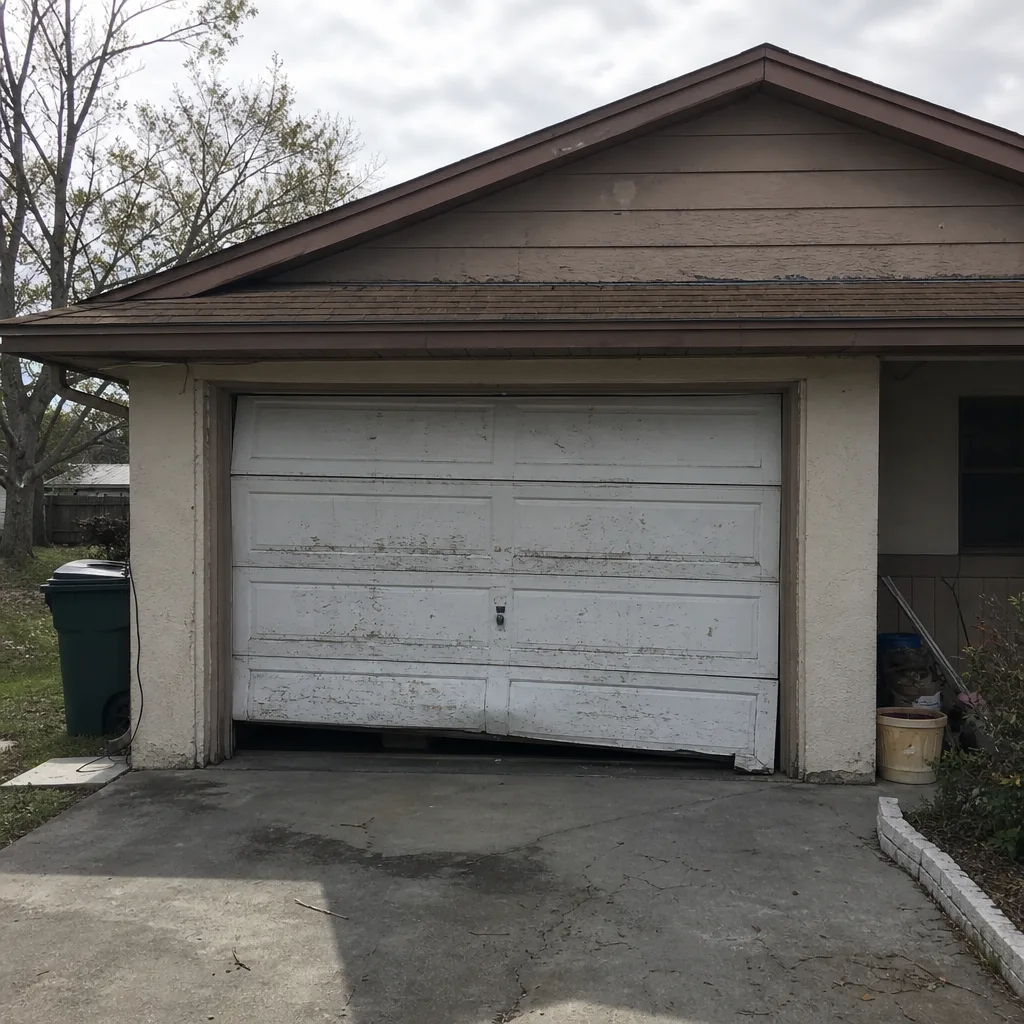 Before
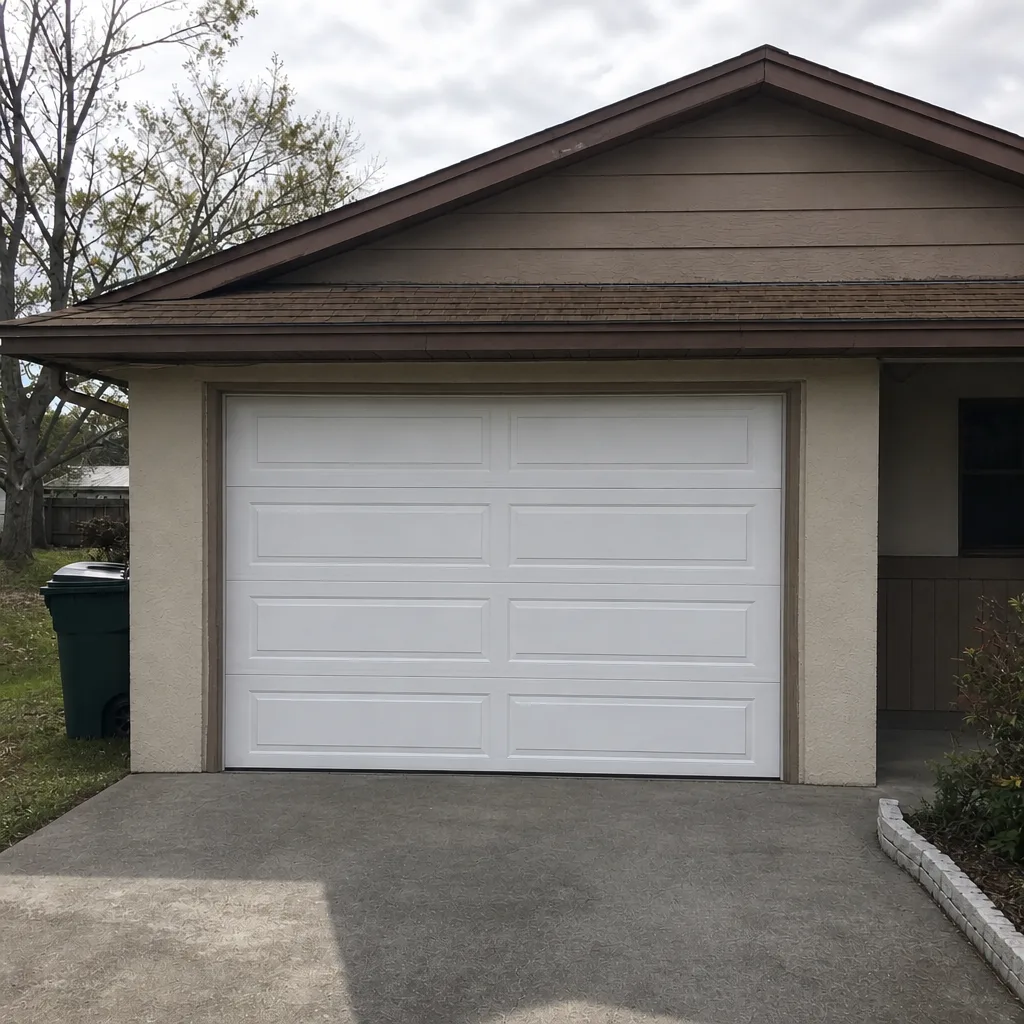 After
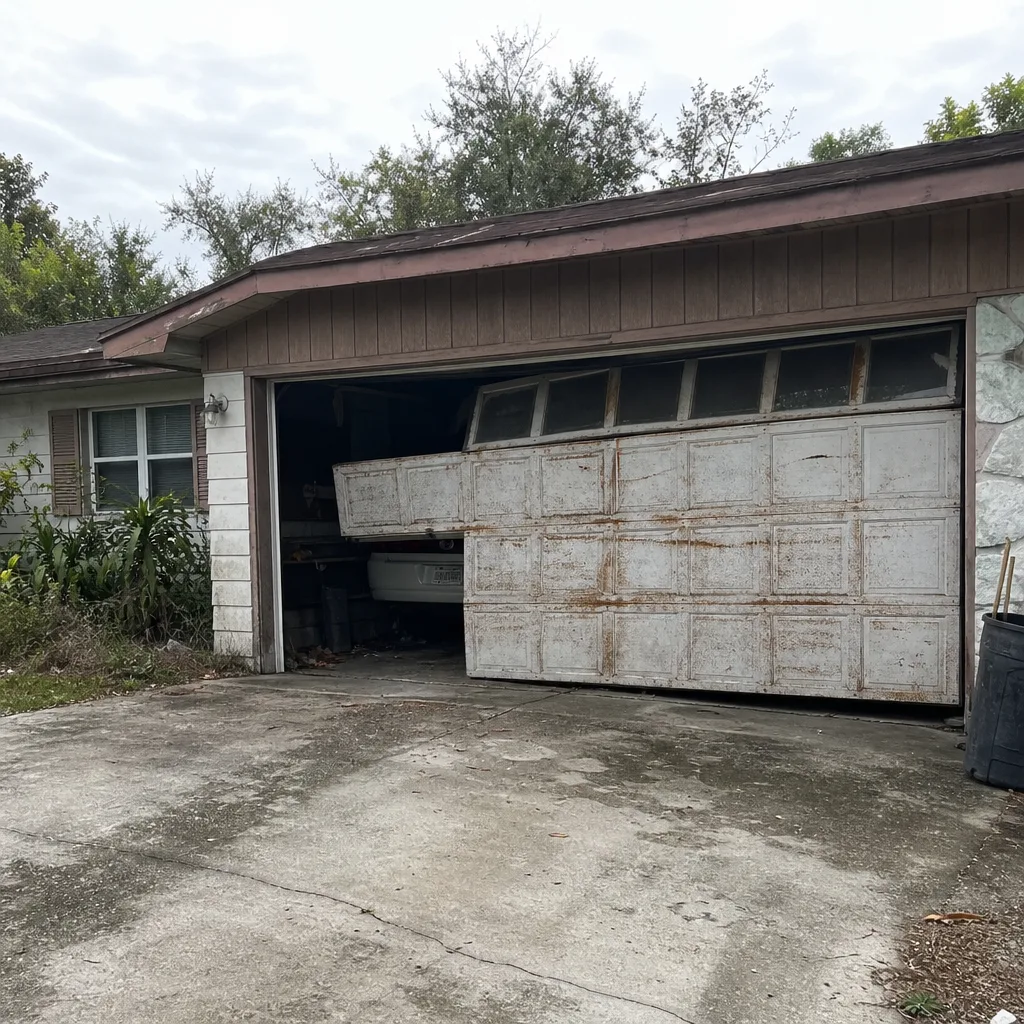 Before
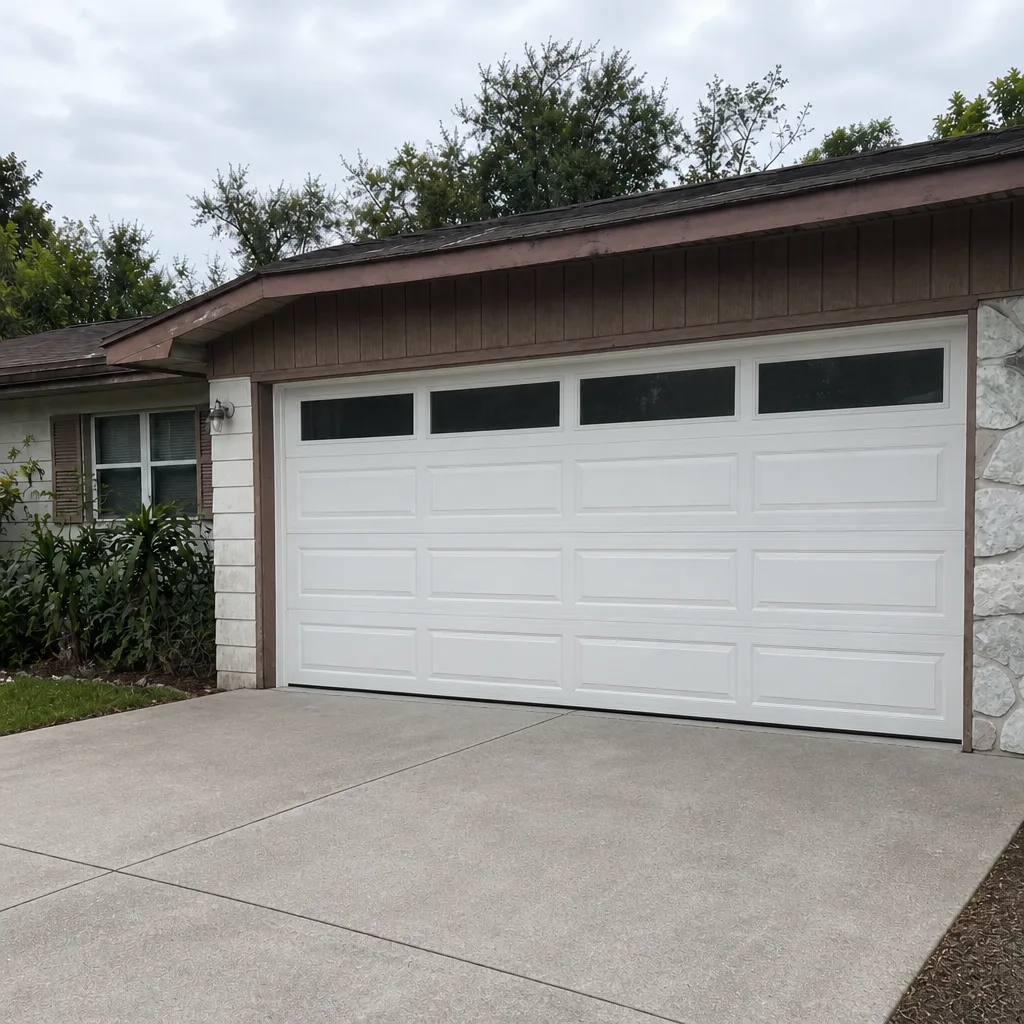 After
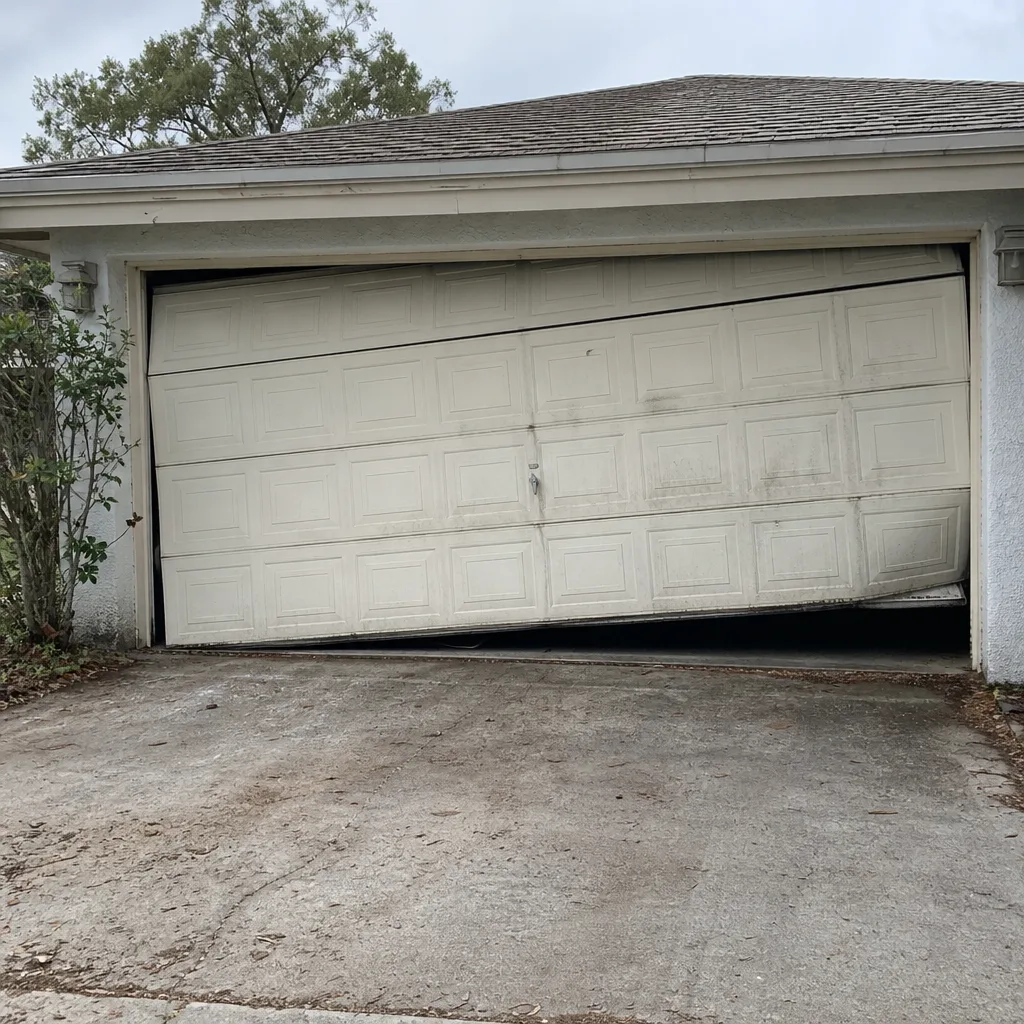 Before
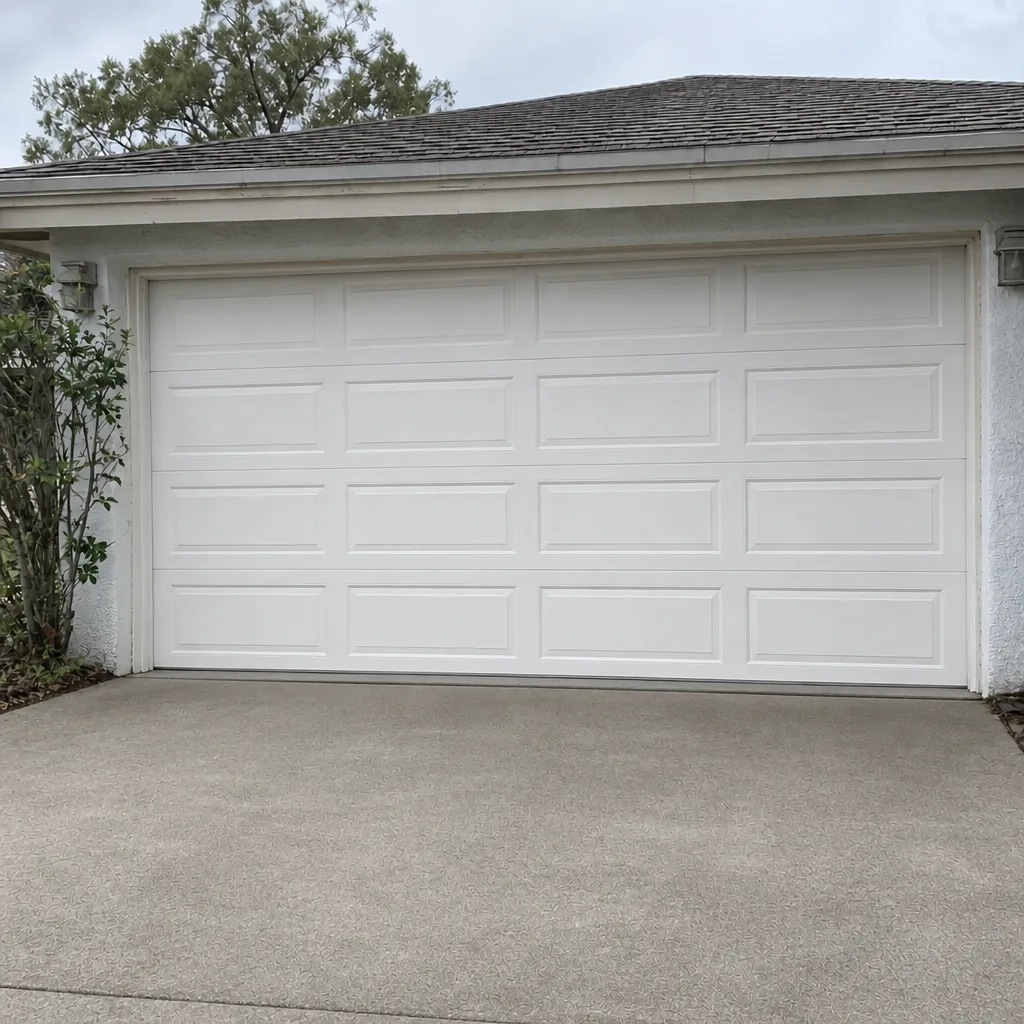 After
Frequently Asked Questions
Most doors in Winter Haven do best with quarterly checks and a professional tune-up once a year, ideally in the milder months before summer heat and hurricane season. The quarterly checks catch corrosion and loose hardware early; the annual service handles springs, cables, and balance, which need a trained eye. A door is cycled many times a day and faces year-round humidity, so it earns more attention than one in a dry climate.
In our experience, the most common calls are for corroded bottom brackets and worn springs, often discovered together. Humidity drives the bracket corrosion, and heat plus constant cycling wears the springs. Many of these calls could have been prevented with a quarterly look at the bottom brackets and a balance test, which is why we recommend both so strongly.
White lithium grease thins and migrates off the part in sustained heat above 90°F, so it can be largely gone within weeks of a summer application. That’s why a door greased with it in spring often gets noisy again by August. Silicone-based or dry-film lubricants hold up much better in Central Florida heat.
You can apply a light silicone spray to the coils, and that’s about the limit. Springs are under extreme tension, and adjusting or replacing them is a job for a trained technician because of the injury risk. If a spring looks stretched, has gaps, or the door won’t balance, stop and call a professional.
Disconnect the opener with the manual release, lift the door halfway by hand, and let go. A balanced door stays in place or drifts slowly; an unbalanced door drops or rises on its own. If it doesn’t hold, the springs aren’t carrying the door’s weight, and that’s a job for a professional.
Yes. Check that the bottom seal is intact, clear debris from the tracks, confirm the door closes fully and latches, and have any corrosion or loose hardware addressed in the milder months. A door that seals well and moves smoothly is in the best position to handle the heavy rain and wind of summer storms, and scheduling any professional work before the busy season is easier on everyone.
Usually not. Noise almost always comes from worn or dry hinges, rollers, and springs, not the opener. Adjusting the opener’s force settings can mask a mechanical problem and shorten the opener’s life. Fix the mechanical parts first, then look at the opener if noise remains.
Look for orange-brown staining, a powdery residue, or pitting on the metal. These are signs that humidity has started working on the part and it’s weakening. Never put your hands in the bracket area because it’s under spring tension; inspect visually and call for service if you see corrosion.
The Bottom Line
Winter Haven doesn’t punish garage doors with winter, but it does wear them down with year-round heat and humidity, and that changes which parts fail and in what order. The repairs we see most are preventable: corroded bottom brackets, worn springs, and dry hinges, most of which could be caught with a quarterly look in the right order. Use silicone or dry-film lubricant instead of white lithium grease in summer, test balance and reversal regularly, and call a professional for anything involving springs, cables, or a door that won’t balance. A little routine attention in the milder months keeps the door working through the hottest ones.
Contact
If you’d rather have an experienced eye on your door, or you’re already seeing corrosion, noise, or a door that won’t stay balanced, we can help. We work on your brand, from Amarr and Wayne Dalton to Craftsman and Raynor, and we handle springs, openers, panels, and full doors in one place. Our technicians have up to 11 years of experience, and every price is quoted and agreed before any work starts. Call (877) 770-1735 for a free estimate in Winter Haven.
Written by the team at Winter Haven Garage Door Repair Pros.