Last updated November 23, 2026
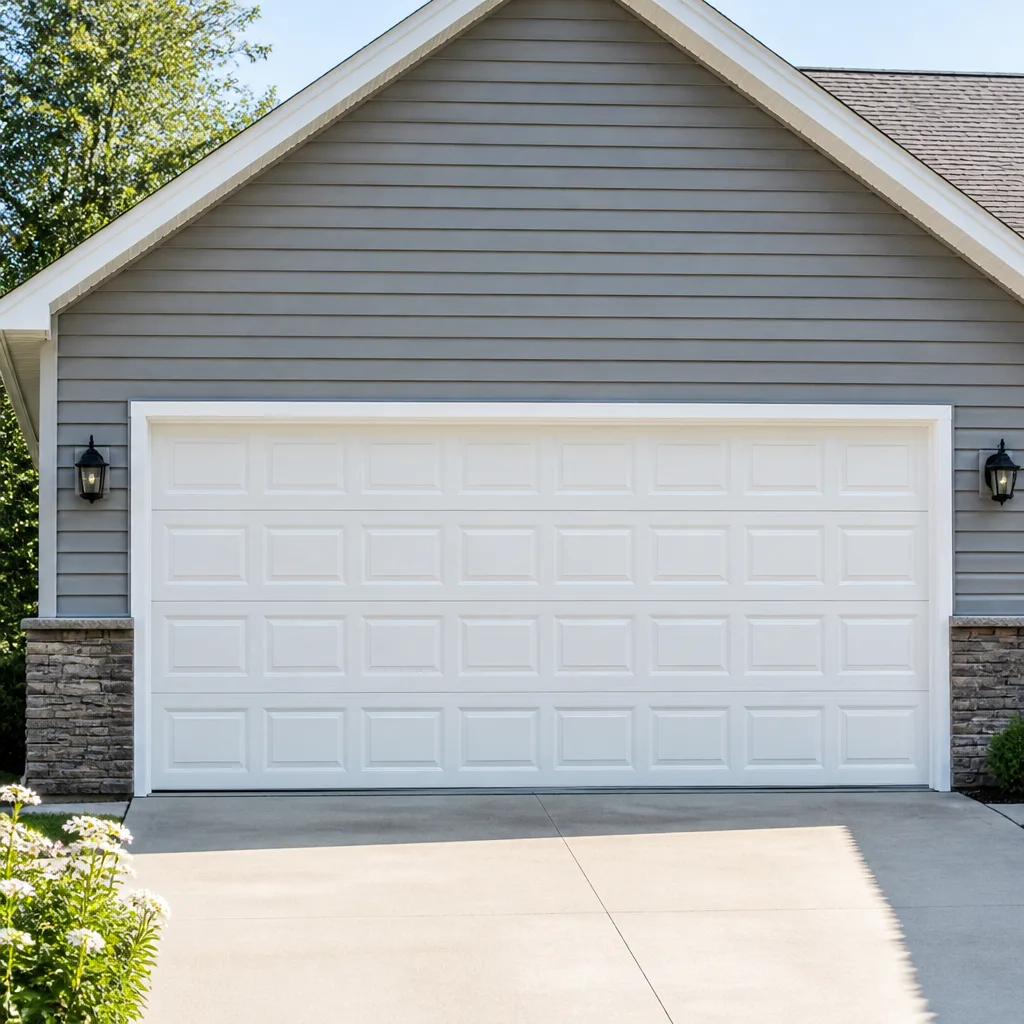 Raised-panel steel
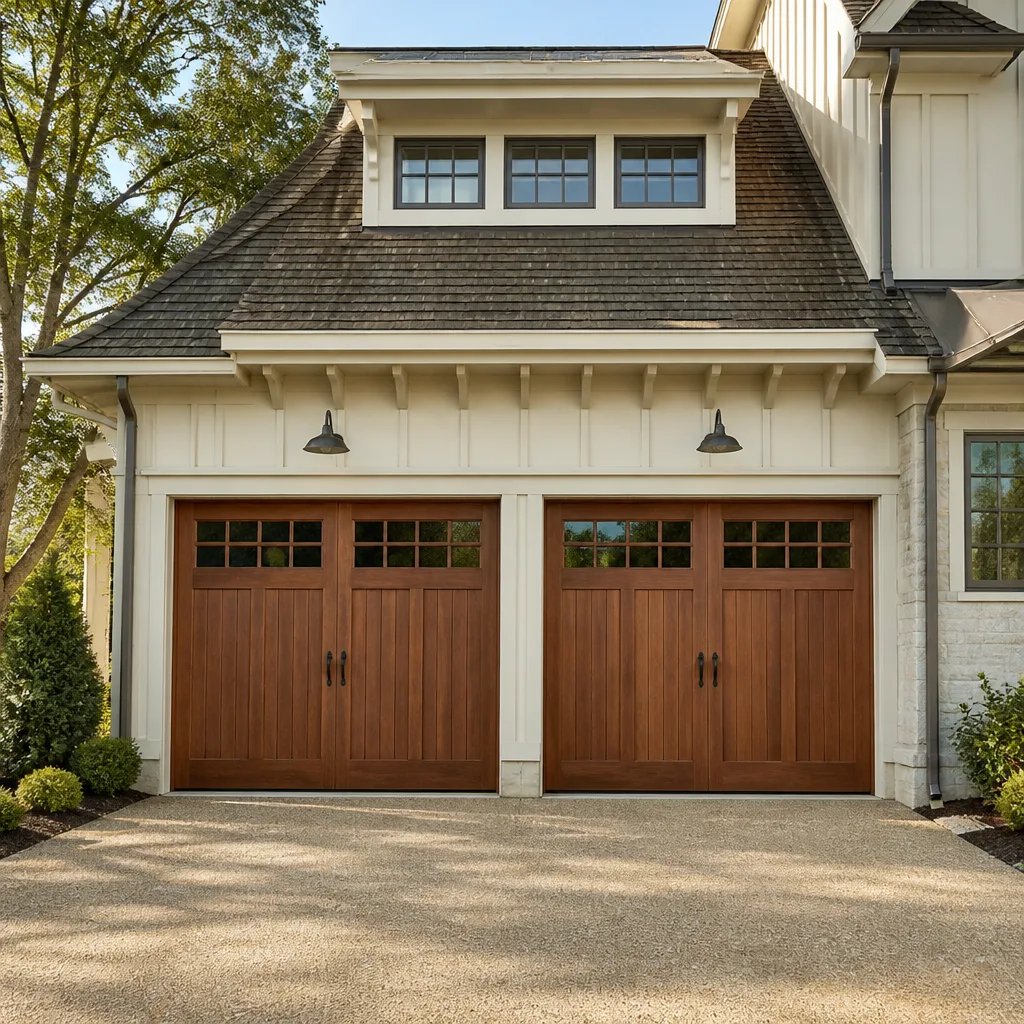 Carriage house
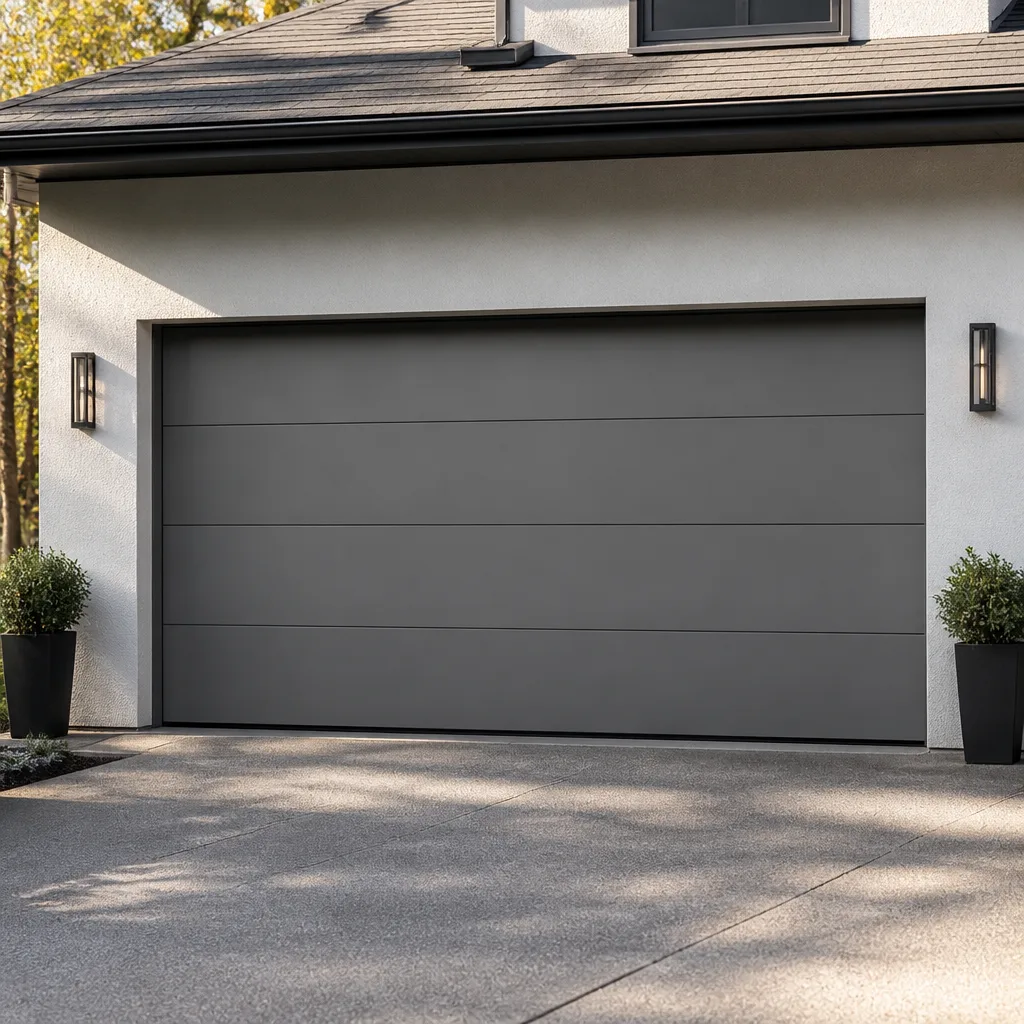 Modern flush
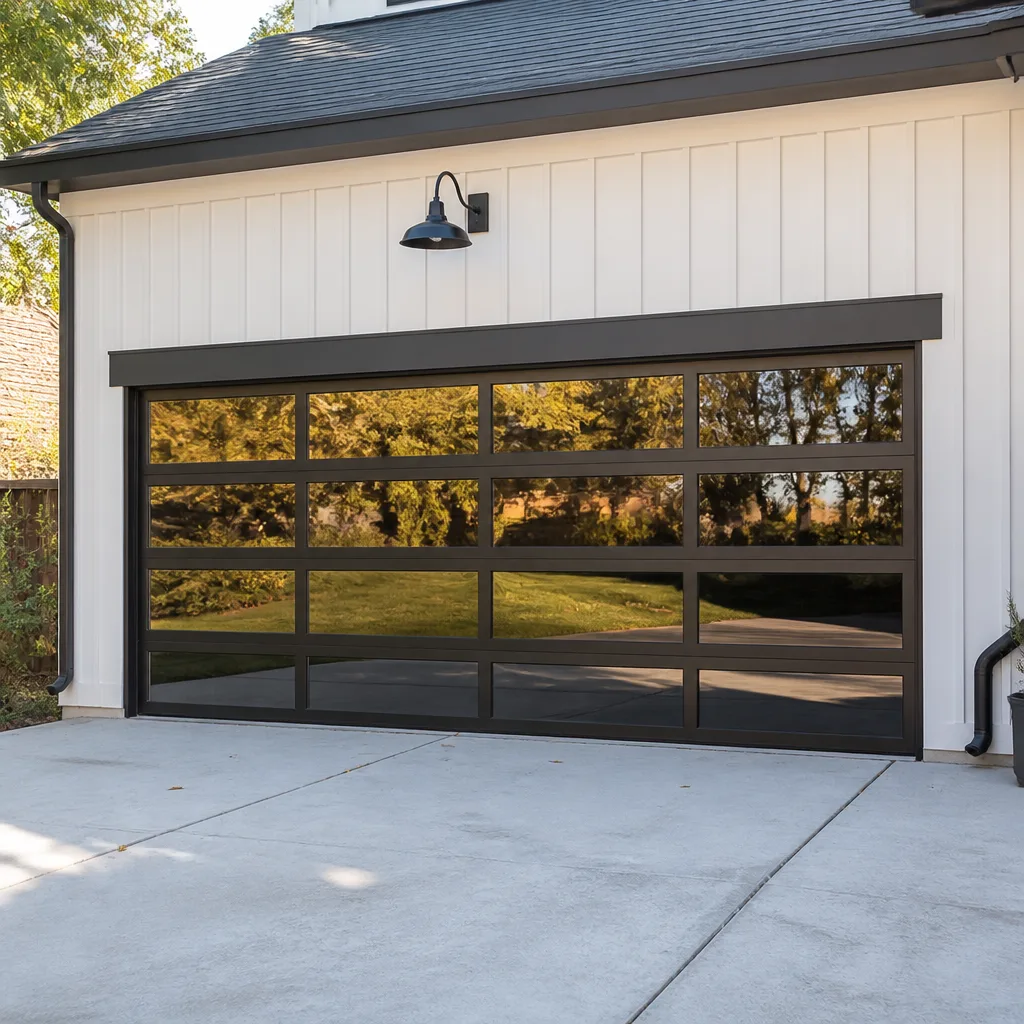 Full-view glass
 LiftMaster openers
 Chamberlain openers
Full 25-point door and opener safety check with every visit - springs, cables, rollers, tracks, and your LiftMaster or Chamberlain opener included
You get a price before we start. It does not change when the pro arrives.
Get your free estimateDIY vs Professional Garage Door: The Winter Haven Homeowner’s Decision Guide
Most DIY versus professional debates about garage doors focus on skill. Can you handle a torsion spring? Do you know how to align a track? That framing misses the bigger question for anyone living in Winter Haven. A garage door is not just a moving panel on your house. It’s a rated building component with a wind-load classification, and the way it gets installed or repaired has real consequences for your insurance coverage and your legal exposure during a storm. This guide walks through which jobs are genuinely safe to handle yourself, which ones carry injury or liability risk that no amount of YouTube can offset, and what the cost comparison actually looks like once you account for tools, retail parts, and the price of fixing a mistake.
Quick Answer
Some garage door tasks are safe for a careful homeowner: replacing weatherstripping, lubricating hinges and rollers, aligning safety sensors, and programming a remote. Torsion spring replacement, cable work, and track realignment on a loaded door are not. In Winter Haven, the bigger variable is liability: Florida Building Code wind-load requirements mean an improperly installed door can fail an insurance inspection or leave you exposed after storm damage, and DIY installation cannot produce the documentation an insurer may ask for. For anything involving springs, cables, or a full door replacement, call a specialist. For routine maintenance, roll up your sleeves.
Styles & brands we work with
- Raised-panel steel
- Carriage house
- Modern flush
- Full-view glass
- LiftMaster openers
- Chamberlain openers
Table of Contents
- What garage door work is actually safe to DIY?
- What garage door work should never be DIY?
- How does Florida wind-load code change the DIY calculation in Winter Haven?
- Consumer-grade vs trade-grade parts: what’s the real difference?
- DIY vs professional: what does it actually cost after everything?
- Why brand-specific knowledge changes the repair outcome
- When a door failure becomes an emergency
- Common mistakes to avoid
What garage door work is actually safe to DIY?
A handful of garage door tasks don’t involve stored tension, heavy panels, or wind-load ratings, and a careful homeowner can handle them without drama. These jobs are about upkeep, not structural function. If you can climb a step stool and read a manual, you can probably do them.
The safe DIY list in Winter Haven looks like this:
- Weatherstripping replacement. The rubber or vinyl seal along the bottom and sides of the door wears out in Florida heat and humidity. Pulling the old strip and sliding in a new one is a hand-tool job.
- Lubrication. Hinges, rollers, and the opener’s chain or belt benefit from periodic lubricant. Keep it off the tracks themselves, where it attracts grit.
- Safety sensor alignment. If the door reverses for no obvious reason, the photo-eye sensors near the floor are usually misaligned or blocked. Straightening them is a two-minute fix.
- Remote and keypad programming. Pairing a new remote to a LiftMaster or Chamberlain opener is a button-press sequence, not a repair.
- Visual inspection. Look at cables for fraying, springs for gaps, and hinges for looseness. Noticing a problem early is free.
What ties these together is that none of them require you to release stored mechanical energy or lift a door panel. They also don’t change the door’s structural rating, so there’s no paperwork trail to worry about. If a task involves a tool you don’t own, a part you can’t identify, or a component under load, stop and reassess. That’s the line. Everything before it is fair game for a homeowner in Winter Haven; everything after it is where the real risk lives.
What garage door work should never be DIY?
Torsion springs, cables, and track realignment on a loaded door are three jobs that belong to trained technicians, not homeowners. The reason is simple: each one involves stored mechanical energy that can release without warning. A torsion spring under proper tension carries enough force to break bones or worse, and the danger isn’t obvious until the moment something lets go.
Here’s why each one stays off the DIY list:
- Torsion spring replacement. These springs are wound to a specific tension that balances the weight of the door. Winding bars, proper turns, and correct spring sizing are all required. Get it wrong and the spring can fail violently, or the door can drop.
- Cable and drum work. The cables that run along the sides hold the door’s weight in tension. A cable under load can snap and whip. Cable drums must be re-wound precisely or the door will bind and eventually fall.
- Track realignment on a loaded door. A door resting on misaligned track is a door under uneven load. Adjusting the track while the door is on it means working next to a panel that could shift or drop. That has to be done with the door properly de-tensioned and supported.
- Full door replacement. Even if you could hang a new door physically, you can’t document that it meets wind-load requirements. That matters in Winter Haven, and the next section explains why.
We’ve seen what happens when a homeowner tries a spring replacement and gets it half-wound, or when a cable slips during a DIY alignment. The typical outcome isn’t a small setback; it’s a door that’s stuck, a bent track, and a bill that’s higher than the original repair. If you’re anywhere near Winter Haven and your door has a broken spring or a slack cable, leave it alone and call a specialist who handles garage door spring repair every day. The safety margin isn’t worth testing.
How does Florida wind-load code change the DIY calculation in Winter Haven?
In most of the country, an improperly installed garage door is a mechanical problem. In Winter Haven, it can also be an insurance problem. Florida Building Code requires garage doors to meet specific wind-load ratings, and those ratings are established by the door’s design, the way it’s anchored, and the hardware that ties it into the opening. A door installed without those specifications being met may not be considered a compliant opening, and that’s where the real liability lives.
Here’s what that means in practical terms:
- Wind-load ratings are assigned, not assumed. A door has to be rated for the wind pressures at its location, and the rating depends on proper installation of the door, the reinforcement struts, and the anchoring hardware. A homeowner installing a door without that specification is guessing.
- Insurers may ask for documentation. After storm damage, an adjuster can look at whether the door met the code in effect at installation. No permit, no inspection record, no documentation, and the claim can be contested.
- Undocumented work can complicate a sale. When a Winter Haven home changes hands, the buyer’s inspector may flag an unpermitted door installation. That becomes a negotiating point or a repair bill.
- The remedy is paperwork, not just parts. A compliant installation means pulling the right permit with the city, meeting the specified wind-load rating, and having the work inspected. That’s a process a licensed installer handles as a matter of course.
This is the piece most DIY versus professional articles skip. The question isn’t only “can I install this door?” It’s “am I willing to be the one responsible for proving it was installed correctly if something goes wrong?” For a lot of Winter Haven homeowners, the answer changes once they understand the liability is theirs, not the manufacturer’s and not the previous installer’s. For anything structural, let a specialist who understands the local code handle the paperwork alongside the work. The same holds for a full door replacement, and a professional will quote the job as an estimate before anything gets ordered.
Consumer-grade vs trade-grade parts: what’s the real difference?
Big-box stores sell garage door parts, and some of them work fine for the safe DIY jobs above. But the parts on the shelf are not the same parts a technician installs, and the difference matters most for the components that carry load or keep the door running for years.
Roller quality is a good example. A cheap plastic roller will work for a while, then flat-spot and start rumbling. A sealed-bearing nylon roller designed for the door’s weight rating runs smoother and lasts longer. The same story applies to springs: consumer springs may not match the exact wire gauge, inside diameter, and cycle rating your door needs. A spring sized for a different door will work briefly and then fail early, and it may fail with more force than it should.
Trade-grade parts also come with known compatibility. When we service a Craftsman or Raynor door, we know which replacement components are designed to work with that specific hardware. We’re factory-familiar with Craftsman, Raynor, LiftMaster, and Chamberlain, plus the other major brands, so the diagnostic process starts from what that brand’s hardware actually does. There’s no guesswork, no trial-and-error fitting, and no returning three parts to find the one that works.
Consumer-grade parts have their place, and that place is the safe DIY list. For anything structural, the difference between a retail component and a trade-grade component is measured in how long it lasts and how safely it fails. That’s worth the markup.
One more part reality: local retail availability in Winter Haven for garage door components is limited. If your door needs a specific spring or a branded opener part, you may end up ordering it online and waiting. A professional carries the tooling and can source the right part the first time instead of the third.
DIY vs professional: what does it actually cost after everything?
The sticker price of a DIY repair looks lower than a professional job, but the comparison is only fair when you count the tools, the retail markup, and the risk of a second repair. A homeowner doing a spring replacement themselves, for instance, usually needs winding bars or a proper tool set, costs the retail markup on a consumer-grade spring, and may have to redo the job if something doesn’t fit right.
Here’s how the costs break down in general terms:
- Tools. Winding bars and a spring-sizing tool aren’t cheap, and they have no other use in your house. A technician already owns them.
- Retail parts markup. Consumer parts bought one at a time from a store often cost more than the same or better parts sourced in trade quantities.
- Time. A routine spring replacement is quick for a trained technician; it can eat most of a Saturday for a first-timer. That’s not free.
- The cost of a DIY mistake. A mis-wound spring, a bent track, or a dropped panel can turn a repair into a replacement. The second bill is the real cost of the first attempt.
Costs vary by door size, spring type, and brand, so an honest professional quotes after looking at the actual door. That’s why a written estimate matters more than a phone number. When you get a quote, ask what’s included: the part, the labor, the disposal of the old component, and the safety check on the rest of the system. If the number only covers the part, the rest will show up later.
The fairest way to think about it: DIY wins on the safe jobs (weatherstripping, lubrication, sensors) because the risk is low and the tools are cheap. It loses on the dangerous jobs because the downside is expensive and occasionally serious. Knowing which side of that line a job falls on is the whole decision. For professional work, we quote an agreed price before any work starts, so the number you agree to is the number on the invoice.
Why brand-specific knowledge changes the repair outcome
Garage doors aren’t generic. An opener built by LiftMaster or Chamberlain has its own diagnostic logic, its own error codes, and its own safety-reversal behavior. A door from Craftsman or Raynor has its own spring sizing and hardware conventions. A general handyman who works on everything from plumbing to drywall has to relearn those specifics on every job. A specialist who services only garage doors carries that knowledge from one call to the next.
That shows up in two places. First, diagnosis. When your opener flashes a code or reverses halfway up, a brand-familiar technician knows where to look first. Second, parts. Knowing which replacement component fits a specific brand’s opener or door means fewer returns and a correct fix on the first visit. If you’re ready to have garage door opener repair handled by someone who works on your brand every week, that’s the difference between a fix and a series of guesses.
For homeowners in Winter Haven, the practical benefit is fewer repeat visits. A door that’s diagnosed correctly the first time is a door that stays fixed. If you want the broader picture of what a specialist covers, our main page for garage door repair walks through the full range of jobs we handle, from a single hinge to a full door replacement.
When a door failure becomes an emergency
A garage door that won’t close is sometimes an inconvenience and sometimes a security problem. The distinction comes down to whether the house is exposed. If you can’t secure the opening and you’re leaving the house, or a family member is home alone, or the door is stuck halfway with a car trapped inside, that’s the emergency category.
The most common emergency calls in Winter Haven involve:
- A broken spring that leaves the door unable to open or close under its own power.
- A door that’s off track and hanging at an angle, which can’t be operated safely at all.
- An opener that runs but won’t lift the door, or a door that closes and immediately reverses.
- A cable failure that leaves one side of the door unsupported.
In each case the right move is to stop operating the door and call a specialist who handles emergency garage door work as a core service. Running the opener on a broken spring or a slack cable can do more damage, and forcing a stuck door can bring a panel down. Emergency service exists for exactly these situations, and it’s the one area where speed genuinely matters. That’s what a dedicated emergency offering is for: securing the opening, getting the door to a safe state, and then planning the permanent repair.
If your door is stuck right now, call us. We treat a door that won’t close as a security issue, not just a mechanical one, and we’ll get a technician moving. For everything else, see our Winter Haven Garage Door Repair Pros home page for how the full service works.
Common Mistakes to Avoid
- Winding a spring without winding bars or a torque plan. A spring is a stored-energy device. Half-winding one, or over-winding it, can release the energy at the wrong moment. That’s the most common serious injury in this trade.
- Buying the cheapest replacement spring at a big-box store. A spring that doesn’t match your door’s wire gauge, length, and cycle rating will work briefly and fail early. The savings disappear on the second repair.
- Installing a door without a wind-load rating or permit. In Winter Haven, a door without the correct rating and documentation can create insurance and resale problems. The paperwork is part of the job.
- Operating a door with a broken spring or slack cable. The opener isn’t designed to lift an unbalanced door. Running it makes the damage worse and can drop the door.
- Lubricating the tracks instead of the moving parts. Grease on the tracks attracts grit and accelerates wear. Lubricate the hinges and rollers, not the track surface.
- Ignoring a door that reverses without a visible obstruction. That’s usually the safety sensor, and a sensor that fails open is a real risk if a child or pet is nearby. Fix it now, not later.
- Assuming the cheapest quote is the whole price. A quote that doesn’t include the part, labor, disposal, and a safety check isn’t a quote you can compare. Ask what’s included before you decide.
See the difference
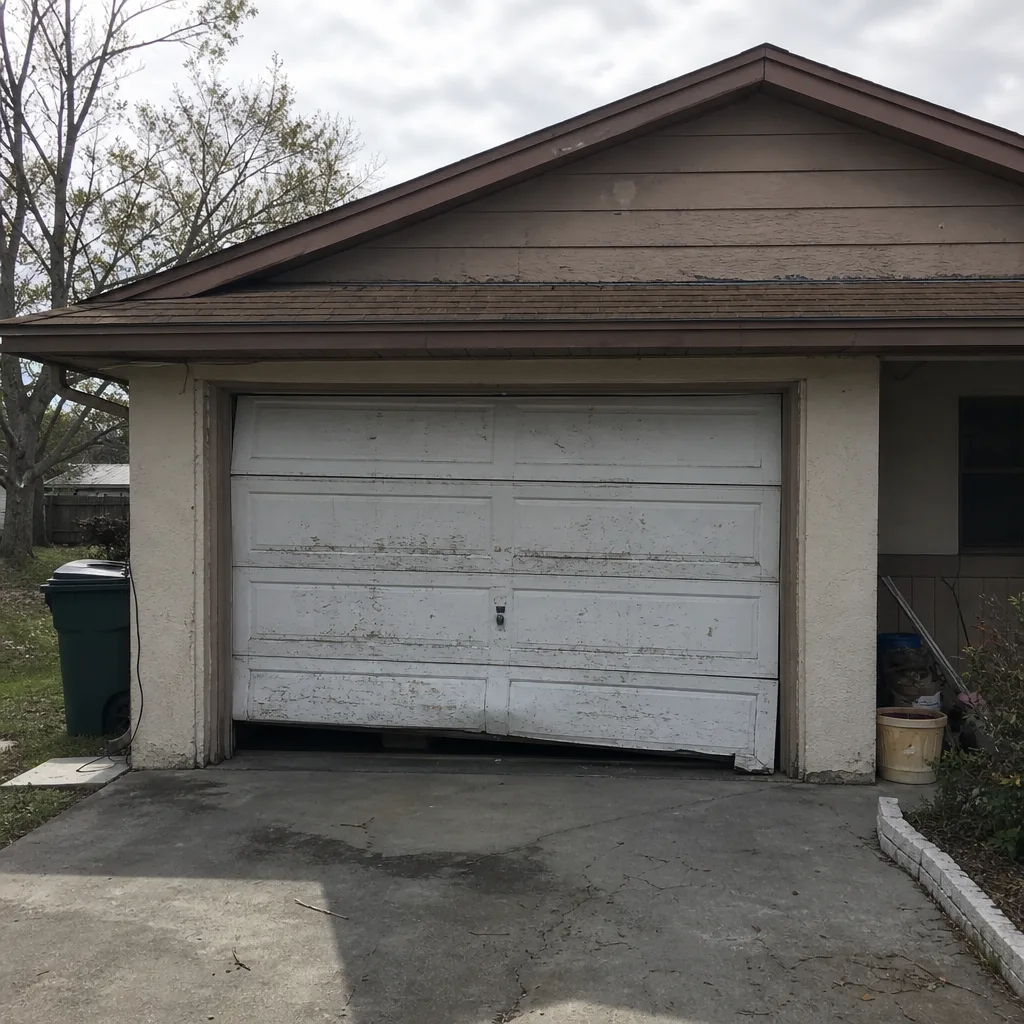 Before
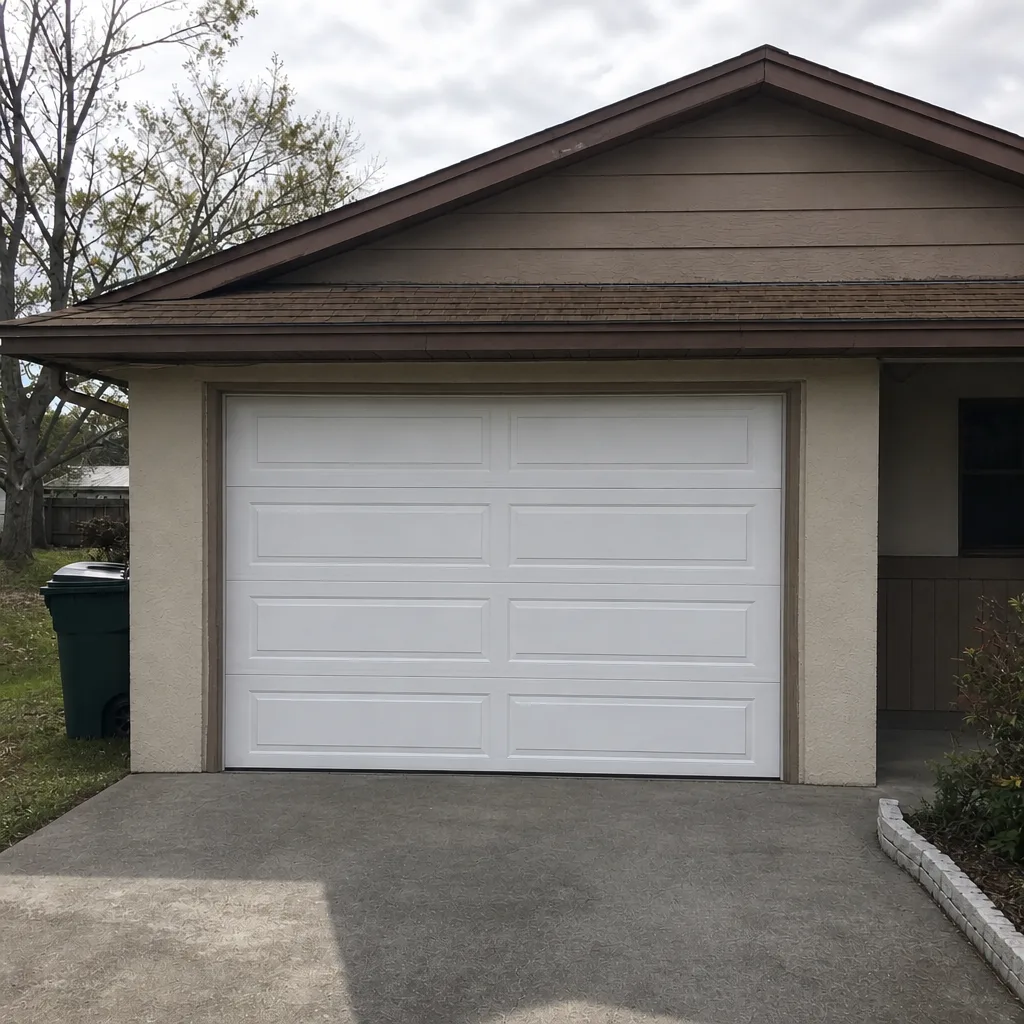 After
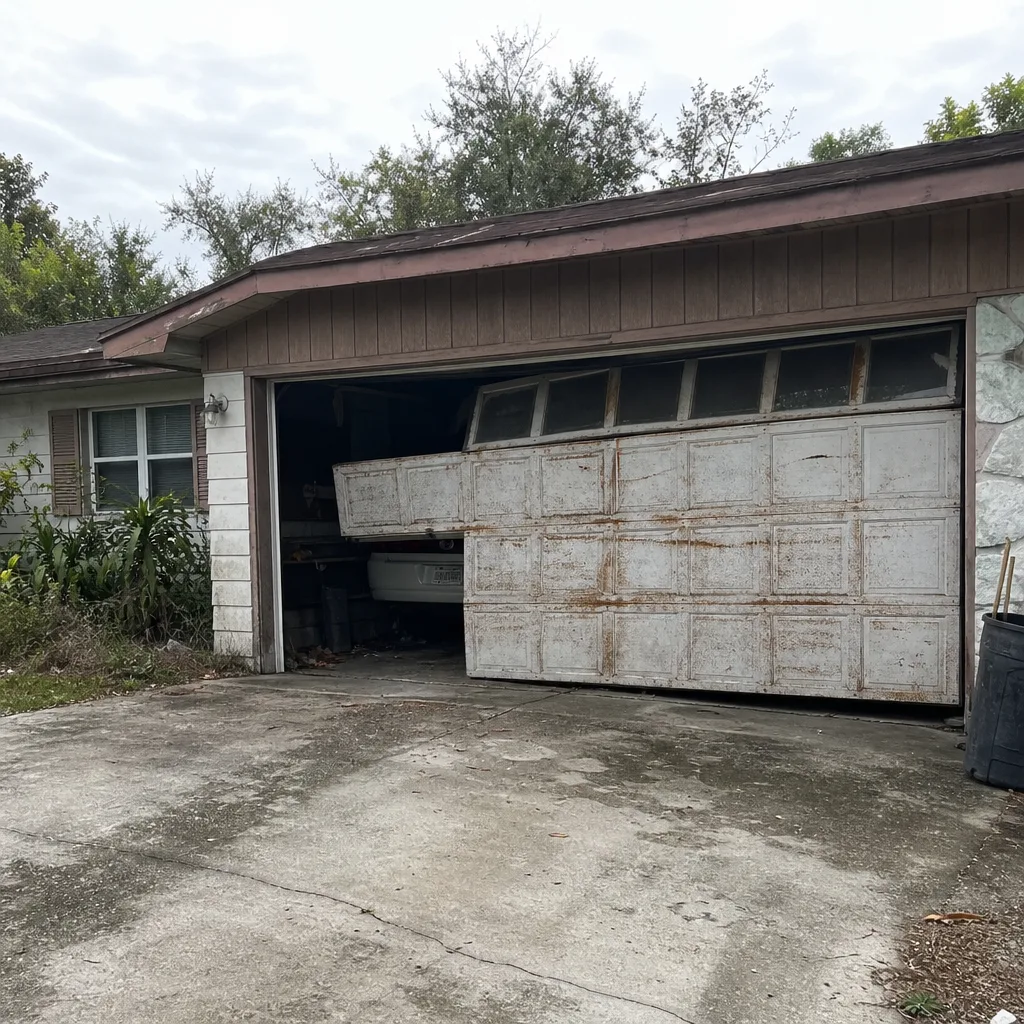 Before
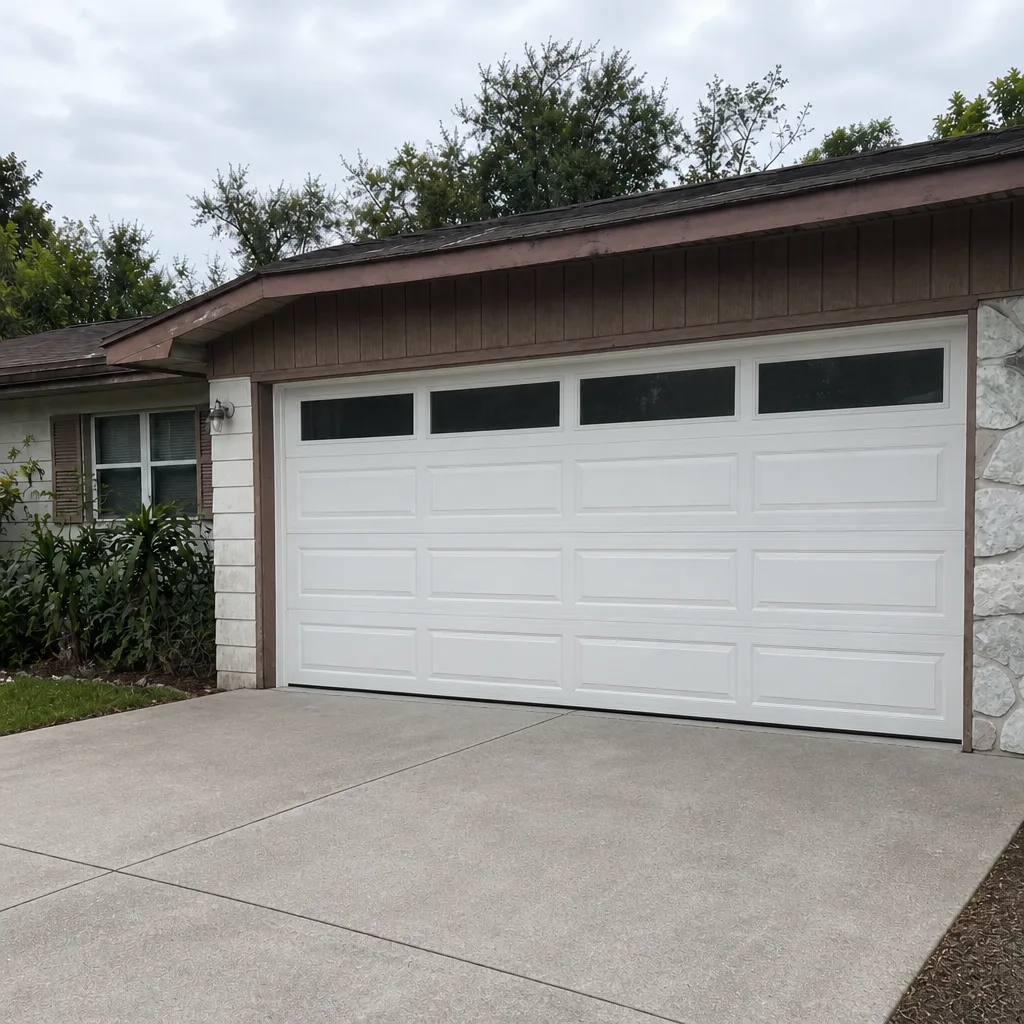 After
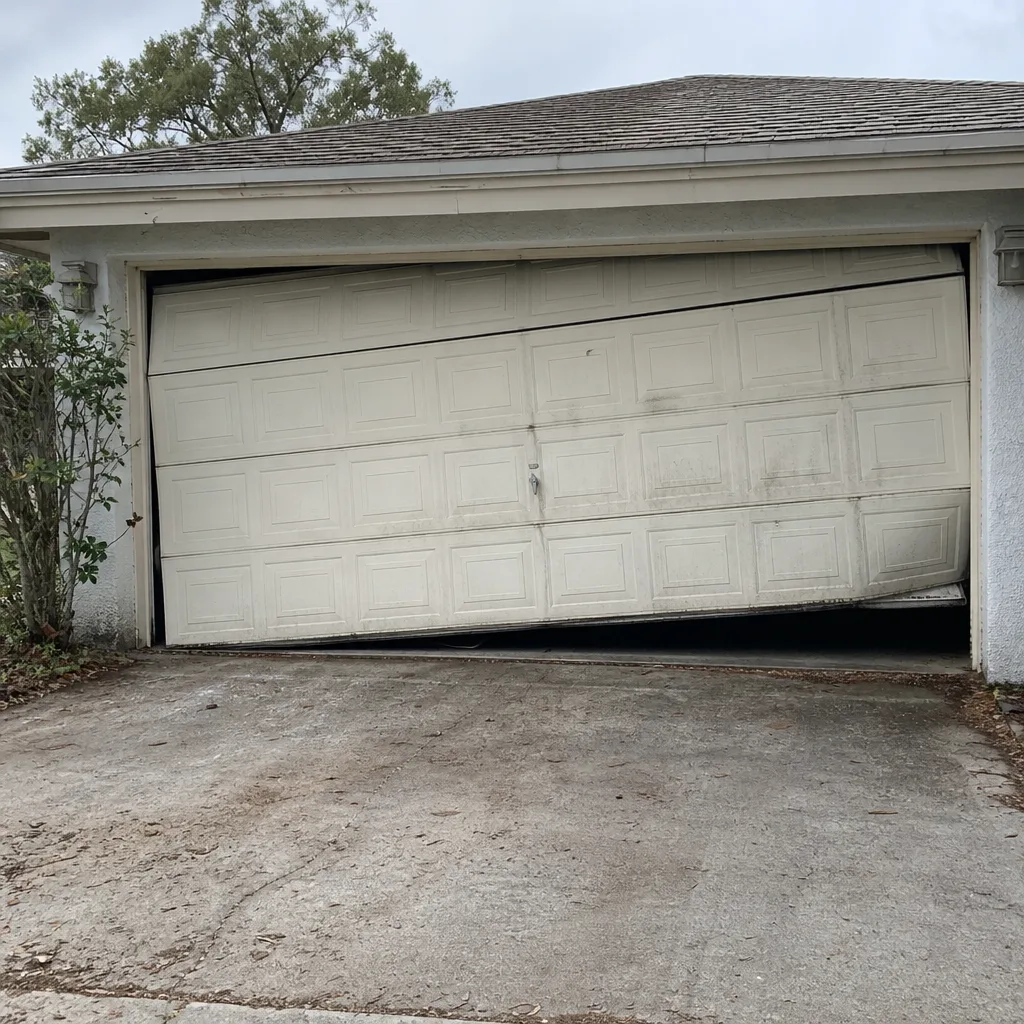 Before
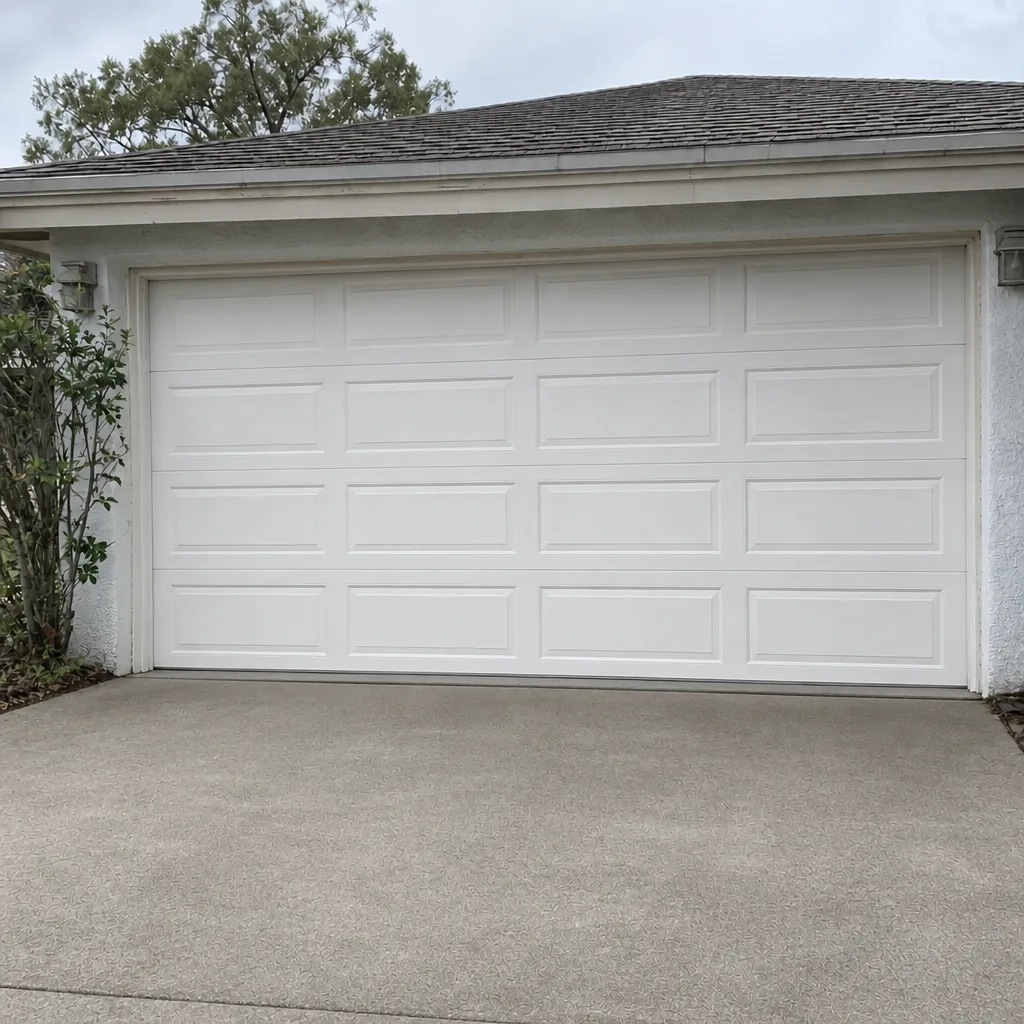 After
When to Call a Professional
Call a professional when the job involves a spring, a cable, a track on a loaded door, or a full door replacement. Call when the door won’t close and the house is exposed. Call when the opener runs but the door doesn’t move, or the door reverses without an obvious reason. Call when you want work done on a specific brand and need it done right the first time. And call when the repair involves the wind-load rating or permit documentation, because that’s a liability question as much as a mechanical one.
Winter Haven Garage Door Repair Pros offers free estimates in Winter Haven – call (877) 770-1735. We work on your brand, from LiftMaster and Chamberlain openers to Craftsman and Raynor doors, and we quote an agreed price before any work starts.
Frequently Asked Questions
No. A torsion spring stores enough energy to cause serious injury, and the winding process requires specific tools and correct tension. It’s one of the most dangerous parts of a garage door to handle, and this is a job for a trained technician. If you have a broken spring, call (877) 770-1735 and we’ll take care of it.
It depends on the policy and the circumstances, but a self-installed door without proper wind-load documentation may complicate a storm-damage claim. Florida Building Code wind-load requirements are part of the door’s rated performance, and insurers can ask for proof the installation met the code. If you want the documentation trail, a licensed installation is the safer path. Call us for a free estimate on a compliant replacement.
Costs vary by door size and spring type, so an honest range comes from a technician looking at your door. What you can count on is a quoted price agreed before any work starts, so there’s no surprise on the invoice. Call (877) 770-1735 for an exact estimate – estimates are free.
You can lubricate hinges and rollers, but keep the lubricant off the tracks. Grease on the tracks attracts grit and speeds up wear. If the squeak continues after lubricating the moving parts, that’s a signal to have the door checked.
Professional-grade springs are matched to your door’s weight, wire gauge, and cycle rating, and they’re designed to last longer before failing. Consumer springs sold at retail may not match your door’s specifications, which shortens their lifespan. The right spring is the one sized for your specific door.
No. A door off track is a door under uneven load, and forcing it can bring a panel down or bend the track further. Stop operating it and call a professional. Winter Haven Garage Door Repair Pros handles emergency garage door service; call (877) 770-1735 and we’ll get the door into a safe state.
The Bottom Line
The DIY versus professional question isn’t really about skill. It’s about which jobs you’re willing to be responsible for. Weatherstripping, lubrication, sensor alignment, and remote programming are safe, useful homeowner tasks. Springs, cables, loaded tracks, and full door replacements are not, because the injury risk is real and the liability question in Winter Haven runs through Florida’s wind-load code. A door installed or repaired without documentation can create insurance and resale exposure that outweighs any labor savings. Know the line, hire a specialist for the dangerous side, and keep the free estimates and agreed prices in your back pocket.
Written by the team at Winter Haven Garage Door Repair Pros.