Last updated November 23, 2026
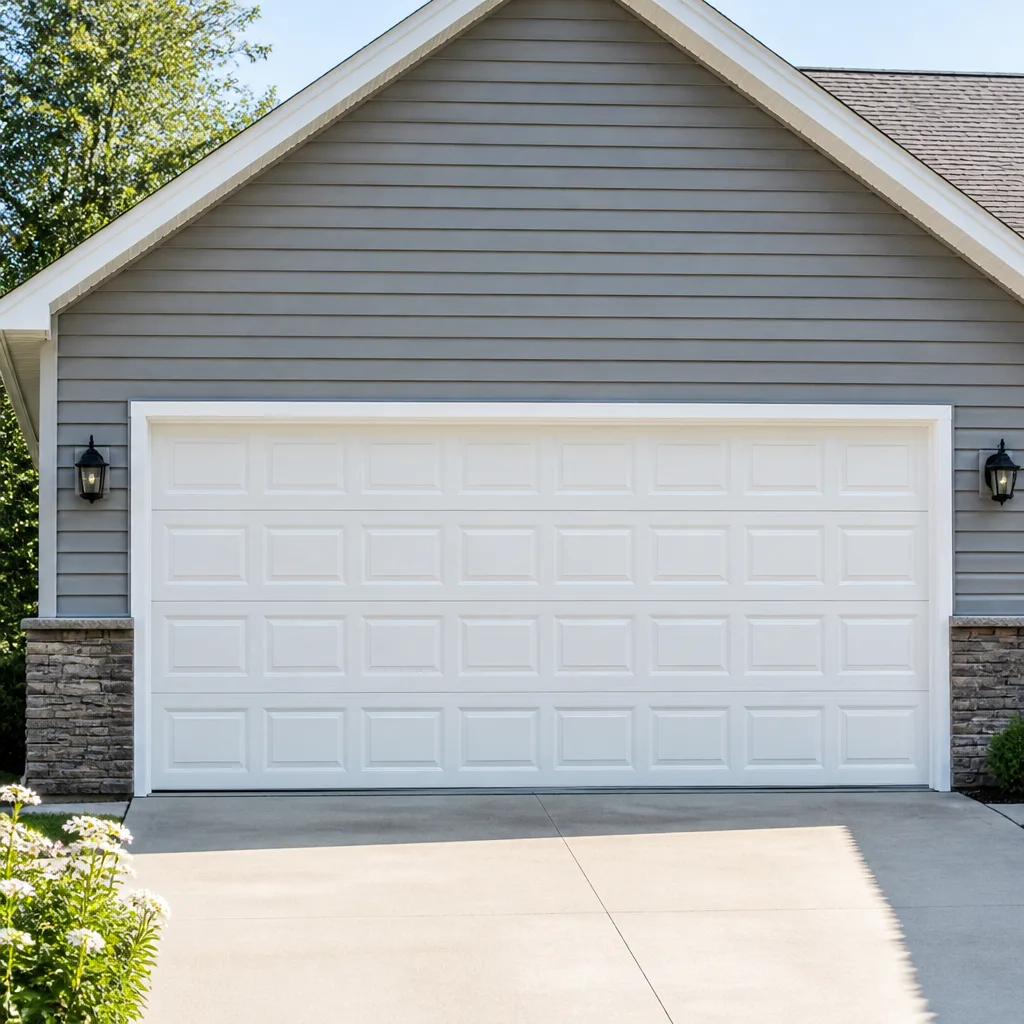 Raised-panel steel
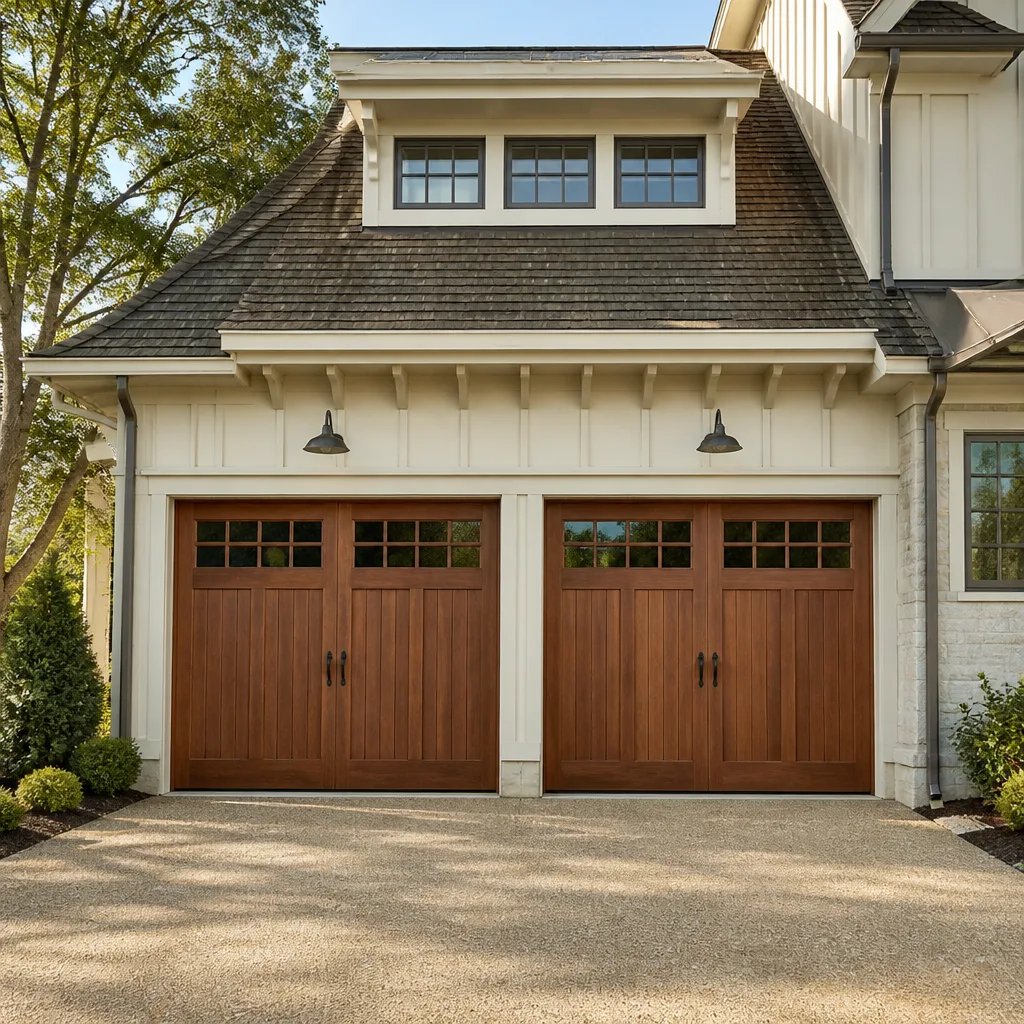 Carriage house
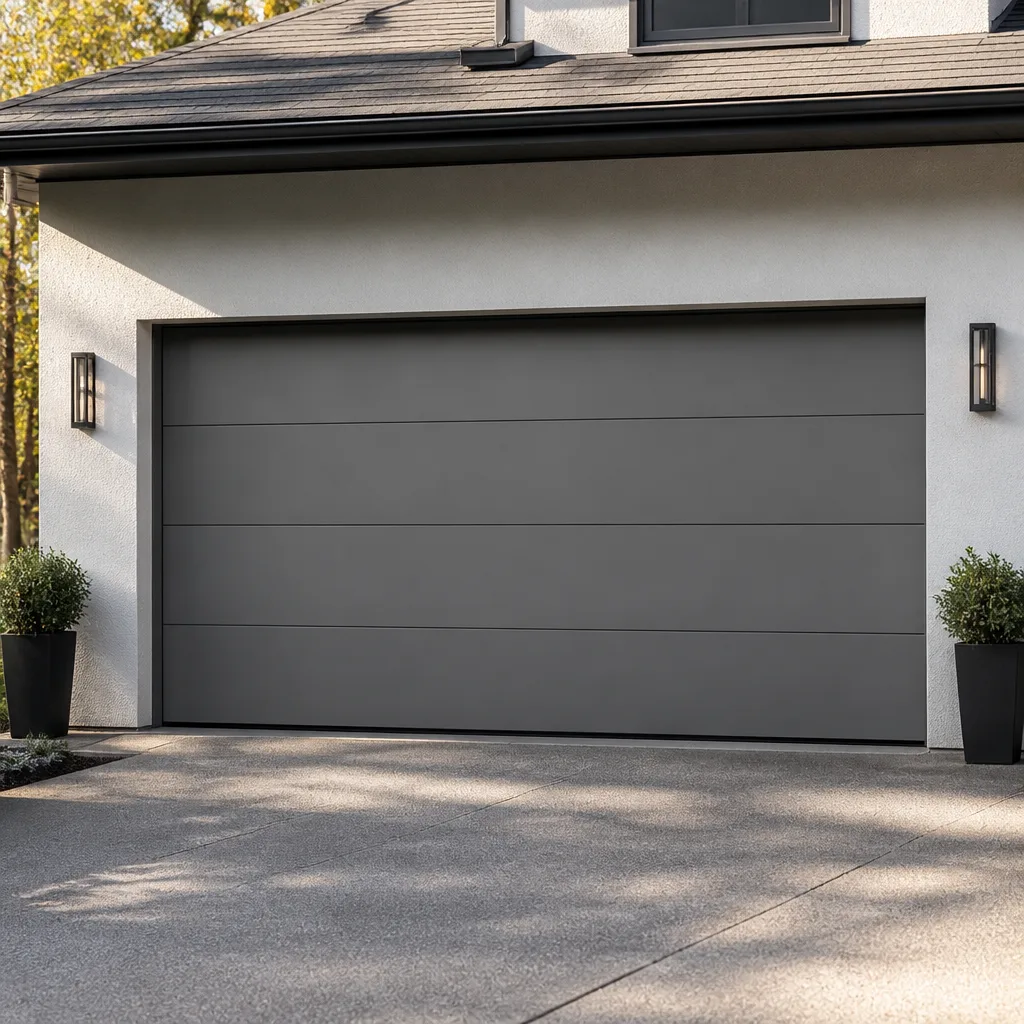 Modern flush
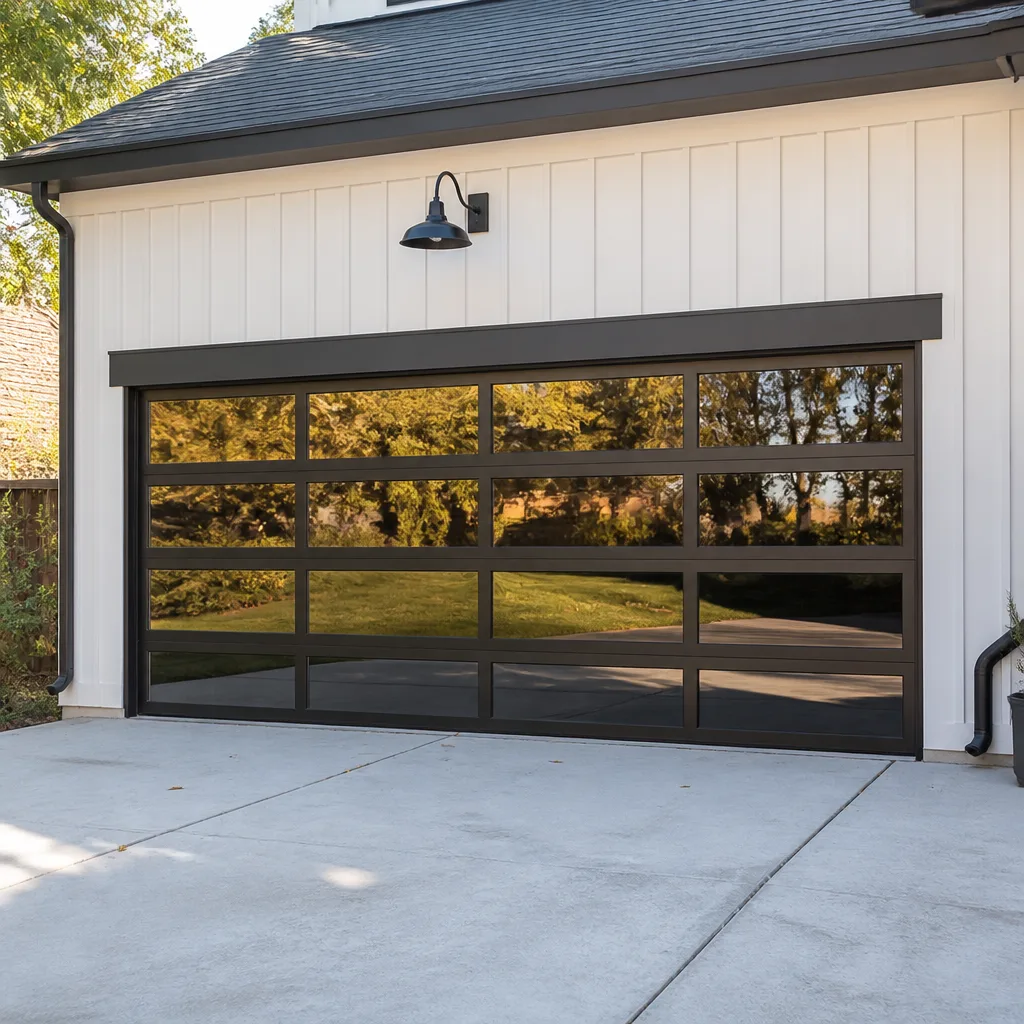 Full-view glass
 LiftMaster openers
 Chamberlain openers
Full 25-point door and opener safety check with every visit - springs, cables, rollers, tracks, and your LiftMaster or Chamberlain opener included
You get a price before we start. It does not change when the pro arrives.
Get your free estimateGarage Door Permits, Codes & Inspections in Winter Haven, FL: What You Need to Know
Most Winter Haven homeowners assume a garage door swap is a simple product replacement: measure, order, install, done. It isn’t. In Florida, a garage door is a structural component on a wind-load-rated building envelope, and replacing one often pulls a permit and an inspection behind it. The counterintuitive part is who usually gets flagged and who usually doesn’t: it’s not a question of whether the door opens properly or looks right. It’s whether the paperwork trail matches the wind-load rating your home’s certificate of occupancy depends on. This guide walks through Polk County and City of Winter Haven permit thresholds, the Florida Building Code wind-load section that governs residential garage doors here, what a garage door inspection actually checks, how the contractor-versus-homeowner permit responsibility split works, and why an unpermitted installation is a problem at resale and at claim time, not at the moment of installation.
Quick Answer
In Winter Haven, a like-for-like garage door replacement in the same opening, with the same rated wind-load class, often falls under the “no permit required” category simply because it doesn’t alter the building’s structure or its original permitted rating. But a change in door type, size, weight, glazing, wind-load class, or opening structure (widening a header, changing track gauge at the mounting point) typically requires a permit and a final inspection. Because Florida Building Code Section 1609 governs wind-load design in this part of Polk County and the exact thresholds are set by the City of Winter Haven building department, the only reliable answer is a quick call to that department with your door’s rated design pressure and your home’s address. We’re not the building department and we won’t impersonate one; we do work with the local process daily, and any installer worth hiring will help you confirm the requirement before the door is ordered.
Styles & brands we work with
- Raised-panel steel
- Carriage house
- Modern flush
- Full-view glass
- LiftMaster openers
- Chamberlain openers
Table of Contents
- When Does a Garage Door Replacement Need a Permit in Winter Haven?
- Florida Building Code Section 1609 and Wind-Load Ratings in Polk County
- What a Garage Door Inspection Actually Checks
- How an Unpermitted Garage Door Affects Florida Insurance Claims
- Contractor vs. Homeowner: Who Pulls the Permit?
- Step-by-Step: The Permitted Installation Process in Winter Haven
- The Resale and Title Issue Nobody Warns You About
- Service, Repair and Maintenance: When Codes Don’t Apply
When Does a Garage Door Replacement Need a Permit in Winter Haven?
Here’s the practical rule: a straight replacement of a garage door with one of the same size, same wind-load rating and same structural mounting conditions usually skips the permit. Anything that changes the structural envelope of the opening, or the rated performance of the door as a wind barrier, usually triggers one. That second category is where most surprises happen, because a homeowner often doesn’t realize their new door is a different wind-load class until a permit search surfaces it years later.
Cases that typically require a permit in Winter Haven include:
- Replacing a door with a different wind-load rating or design pressure than the one the home’s original permit reflects
- Changing the door type (for example, from a solid panel door to one with large glazed sections, which changes wind-load behavior)
- Changing the door size in the opening, which usually means altering the header
- Replacing the track system with a different gauge or changing the mounting hardware method at the header bracket
- Replacing the door after a structure has been modified, even if the door itself is a like-for-like swap
- Any work on a home whose original permit record is incomplete or missing
Cases that often skip a permit:
- A same-size, same-rating door replacement with the existing track, hardware pattern and header conditions unchanged
- Opener replacement or repair (electrical component, not a change to the structural envelope)
- Spring replacement, cable replacement, roller replacement, hinge replacement (see the section on service and repair below)
The honest caveat: “often” and “usually” are the words to pay attention to. The City of Winter Haven’s building department is the authority on your specific address, and their threshold can hinge on details in your original permit file that no installer can see without pulling it. Before we order a door, we tell every Winter Haven customer to call the city directly and confirm. It takes ten minutes and it’s the single best protection against a future problem.
Florida Building Code Section 1609 and Wind-Load Ratings in Polk County
Florida Building Code Section 1609 addresses wind loads, and it’s the section that drags garage doors into the structural conversation whether homeowners want them there or not. A garage door is one of the largest uninterrupted openings on a residential structure. In a high-wind event, that opening is where pressure builds and where failure has the most consequences. Section 1609 sets out how wind loads must be determined and how building components, including the garage door assembly, must be rated and installed to resist them.
What that means at the level of a Winter Haven homeowner:
- Your garage door has a design pressure rating (typically stated in the manufacturer’s product literature as a positive and negative pressure rating). That rating is not decorative; it’s part of the home’s permitted structural record.
- Polk County sits in an inland wind zone, but “inland” doesn’t mean “exempt.” Section 1609 applies to the whole state; the specific wind speeds used in the calculation vary by location, and Winter Haven has its own values that determine the required rating for your door.
- The rating of the installed assembly depends on more than the door itself: track gauge, anchoring, the header bracket’s attachment to the structure, and the condition of the framing all affect how the assembly performs against design pressure.
- A door rated for a given pressure but mounted to an opening that has been modified (widened, re-framed, repaired with different hardware) may no longer achieve that rating even though the door’s label hasn’t changed.
Here’s the part most installers gloss over: don’t quote the code number and call it done. If a contractor tells you your door “complies with Section 1609,” ask which design pressure and which local wind speed the door was selected for. If they can’t answer, that’s a signal. We select doors by matching the rated design pressure to the opening and the local requirement, and we flag any door whose rating we can’t verify before it’s ordered. On the eight brands we regularly service (LiftMaster, Chamberlain, Genie, Clopay, Amarr, Wayne Dalton, Craftsman, Raynor), the rating information is available in the manufacturer’s documentation. When it’s a Wayne Dalton or an Amarr door, we know where to find what the inspection will ask for.
What a Garage Door Inspection Actually Checks
A garage door inspection performed as part of a permitted installation or a change of occupancy isn’t a quick look at whether the door opens. The inspector is verifying that the installed assembly matches the permitted design and that the load path from the door to the building structure is sound. In our experience, the failures that get flagged almost always fall into three buckets: hardware attachment points, track gauge, and the header bracket load path.
- Hardware attachment points. Hinges, rollers, vertical and horizontal track anchors, and drum brackets must be attached to the structure at the permitted locations with the permitted fasteners. An installer who reused old holes from a lighter door, or who backed a bracket with a different material than the permit shows, creates a discrepancy the inspector will notice.
- Track gauge. The vertical and horizontal track must be the gauge specified. A heavier door requires heavier track and different anchor spacing. Replacing a light door with a heavier rated assembly on the original track is a common shortcut and a common inspection failure.
- Header bracket load path. The header bracket carries the door’s weight and, in a wind event, some of the load. The inspector will look at how the bracket is fastened to the header and whether the header itself is in the condition the permit assumed. A header that’s been patched or softened by water intrusion won’t pass, and no door installation fixes that.
- Door labeling and rating. The installed door’s rating label and manufacturer documentation should match the permit application. A door with a different rating than what was permitted is the fastest way to fail a final inspection.
- Safety features and operation. Torsion spring and cable condition, bottom bracket integrity, and opener safety reversal are all checked at the point of operation. In a garage door context, these matter both functionally and from a liability perspective; a failed safety check is a stop-work.
One safety note we take seriously: the inspection does not involve anyone, including you, working on the torsion springs or cables to “help it pass.” Those assemblies are under extreme tension and are the single most dangerous part of any garage door. If an inspector flags a spring or cable condition, that repair belongs to a trained professional. Our technicians who handle that work have up to 11 years of experience, and it’s still a two-hands-and-a-proper-winding-bar job every time.
How an Unpermitted Garage Door Affects Florida Insurance Claims
This is the part of the conversation that earns a homeowner’s full attention. In Florida, homeowners insurance policies are written based on the insured risk of the structure, and wind-load-rated components are part of what the insurer is underwriting. When a garage door is replaced without a permit, and the new door’s rating or installation method differs from what’s reflected in the home’s permit record, the insurer may find a mismatch at the time of a claim. That mismatch can become a coverage dispute.
We aren’t insurance advisors, and we won’t pretend to be. What we can say from what we hear from customers is this: the risk isn’t theoretical. A claim that turns on whether a door was installed to the permitted wind-load specification is a claim that requires documentation the homeowner may no longer have. Some of the specific concerns that show up in California’s insurance landscape (different state, different rules) have echoes in Florida around storm and wind events. The pattern is real: permits and insurance are connected in this state.
What to do about it:
- Keep your permit paperwork with your closing documents. A future buyer’s inspector or your insurer may ask for it.
- If you’ve bought a home with a previously replaced garage door, check the permit history at the City of Winter Haven records office before you need to file a claim.
- When you replace a door, insist on the permit if one is required. A permit isn’t paperwork theater; it’s the documentation that connects the door’s rating to your home’s insurance profile.
- If your insurer asks for documentation of a garage door replacement, the permit record and the manufacturer’s rating label are usually the two documents to have on hand.
One local context detail: Winter Haven’s climate doesn’t produce the freeze-thaw and hail-driven damage patterns of colder climates, and hail here is uncommon. The insurance question in this part of Florida is primarily a wind-load question, which is exactly why the permit trail matters.
Contractor vs. Homeowner: Who Pulls the Permit?
The split is more nuanced than either “the contractor handles all of it” or “the homeowner is responsible.” In Polk County, and in Winter Haven specifically, the permit is typically applied for and pulled by the licensed contractor performing the work, with the homeowner named as the property owner on the application. The homeowner’s signature is usually a required component of the application. The permit and the final inspection belong to the property address, not to the contractor.
A numbered breakdown of the usual division:
- Contractor: applies for the permit, submits door rating documentation and installation details, schedules the inspection, and is present for the inspector’s site visit.
- Homeowner: signs the application, provides property access on inspection day, and keeps the final inspection record and permit card with home records.
- Both: confirm the door’s rating and installation method match the permitted application before the door is ordered. This is the step where the money and the headaches live if it’s skipped.
- Building department: reviews the application, may require plan detail on the door’s wind-load rating, and performs the final inspection.
If a contractor tells you they’ll “leave the permit to you,” ask them why. It’s not automatically a red flag, but it’s a conversation worth having before the door is on order. If you’re the one applying, the city’s building department is the right first call. We’re a specialist in one trade, not a permit consultant, but we can tell you exactly what the door’s rating documentation needs to show so the application goes in clean. That’s how we work on garage door repair and replacement projects here: door specification first, permit question second, order third.
Step-by-Step: The Permitted Installation Process in Winter Haven
Here’s the sequence for a replacement that does require a permit. It’s a straightforward process, but the order matters, and every step you skip to save a week tends to cost you a month later.
- Measure and document the existing opening. Note door size, track configuration, header condition, and the rating label on the current door. If the original permit is available, get a copy.
- Call the City of Winter Haven building department. Tell them the address, the door size, and the proposed rating, and ask whether the replacement falls under the permit threshold or requires a permit. Get the answer in writing if you can.
- Select a door by design pressure, not by look. Match the rated wind-load class to the local requirement and to the opening. This is where a brand-specific installer earns their fee; the rating data, track weights, and anchor specifications for Clopay, Amarr, Wayne Dalton and Raynor doors are all in the manufacturer’s technical documentation, and matching them to a permit application requires knowing where to look.
- Apply for the permit with the door rating documentation attached. The contractor usually does this; the homeowner usually signs.
- Order the door only once the permit application is either approved, or confirmed as not required. Ordering early is the most common mistake on permitted replacements.
- Install to the permitted specification. Track gauge, anchor spacing, header bracket attachment, and door rating all match the application. If a real-world condition (a soft header, a hidden old repair) prevents matching the application, that gets flagged and handled, not quietly fudged.
- Final inspection. The inspector works through the checks in the inspection section above. Take the final inspection record and file it with your closing documents.
For any homeowner who wants to skip the permit step because “it’s just a door,” here’s the thing our team runs into: it’s rarely just a door. The door is the biggest wind-load surface on the house. On this address, in this wind zone, it’s a structural component, and it’s treated as one.
The Resale and Title Issue Nobody Warns You About
A garage door replacement that didn’t need a permit isn’t a problem at resale. A garage door replacement that did need one, and didn’t get one, becomes a problem the moment a buyer’s home inspector flags it. Winters in Polk County are mild and open-house traffic can be brisk in the fall and spring, so a buyer who is serious about a home is usually thorough. When an inspector notes the door’s rating doesn’t match the permit record, the buyer’s lender, their insurance agent and their title company all have reason to slow the process down.
The honest way to frame this: it isn’t a catastrophe. It’s an unresolved question that surfaces at the worst possible moment, when a buyer has leverage and a seller doesn’t. The fix is often retroactive permitting or a documented code-compliance letter, and it’s usually more expensive than the original permit would have been. Title defects come in flavors, and an unpermitted structural component is one a title company will notice. It’s also the kind of thing that doesn’t show up in a normal title search, which means it turns up in an inspection report instead.
Winter Haven’s residential stock is a mix of older homes near the chain of lakes and newer construction in surrounding neighborhoods, and both categories see door replacements. In the older homes, original permit records can be spotty, and a “like-for-like” door swap may actually surface the question of whether the opening has ever been modified. In newer homes, the permit history is usually clean and easy to pull. Either way, the door record is the door record, and it’s worth checking before a sale, not during one.
Service, Repair and Maintenance: When Codes Don’t Apply
A garage door inspection and a garage door repair are two different things, and it helps to separate them. Section 1609 and the permit process apply to the structural envelope and the installed rating of the door assembly. Replacing a torsion spring, replacing a broken cable, replacing rollers, adjusting track, or repairing an opener doesn’t change the door’s wind-load rating, and in Winter Haven it usually doesn’t involve a permit. That’s a relief for homeowners facing an emergency repair, and it’s where the specialist side of the job matters most.
What does bear a mention in the code-and-inspection conversation:
- Spring repair is the most dangerous garage door service, and the springs aren’t a permit item. They’re a safety item. A failed torsion spring can leave the door in a partially open state that’s a security concern as much as an inconvenience. On this we’re comfortable being insistent: spring work is professional work. Our garage door spring repair is handled by technicians who’ve done it enough times to know it deserves two hands and zero shortcuts.
- Opener repair isn’t a structural permit item, but a misadjusted force limit or a failed safety reversal is a real hazard. If your opener reverses on a child, a pet or a tool at the floor, that’s the setting, not the code. Our garage door opener repair work covers the safety functions as carefully as the open/close function.
- Panel replacement is often treated as cosmetic, but a panel swap on a rated door can change the door’s rated performance if the panel isn’t matched to the original assembly specification. Match the panel to the door, not to the picture on the box.
- Emergency service exists for exactly this category: a door off track at 11pm, a door that won’t close with the house unsecured, a spring that snapped with a car inside. That’s the call we’re set up for.
If your existing door is a brand we know well, we can usually tell you in the first conversation whether a repair is the right answer or whether the door itself is past the point of sensible repair. As Winter Haven Garage Door Repair Pros, that’s been the shape of the job since we started working on doors in this area: springs, openers, panels and full doors, one call.
Common Mistakes to Avoid
- Assuming “like-for-like” means “same size.” It also means the same wind-load rating and the same installation conditions. A same-size door with a lighter rating is not a like-for-like swap and is often a permit item.
- Ordering the door before confirming the permit. This is the single most expensive mistake on a permitted replacement. If the permit process requires a different rating than the door on order, you’ve got the wrong door on a truck.
- Reusing the old track on a heavier door. Track gauge and anchor spacing change with the door’s weight and rated pressure. Reusing the old track isn’t a savings; it’s a discrepancy at inspection.
- Taking a verbal “no permit needed” from the installer. The City of Winter Haven building department is the authority. If your installer won’t help you get a written answer from the city, find another installer.
- Not keeping the permit paperwork. An inspection record that gets thrown in the recycling bin is an inspection record that can’t help you at a claim or a closing.
- Assuming your neighbor’s replacement is your replacement. Two doors on the same street can have different permit outcomes because of the home’s original permitted condition. Yours is the one that matters.
- Letting a buyer’s inspector be the first person to discover the gap. Checking the permit history before listing is a five-minute call; discovering it under contract is an expensive problem.
See the difference
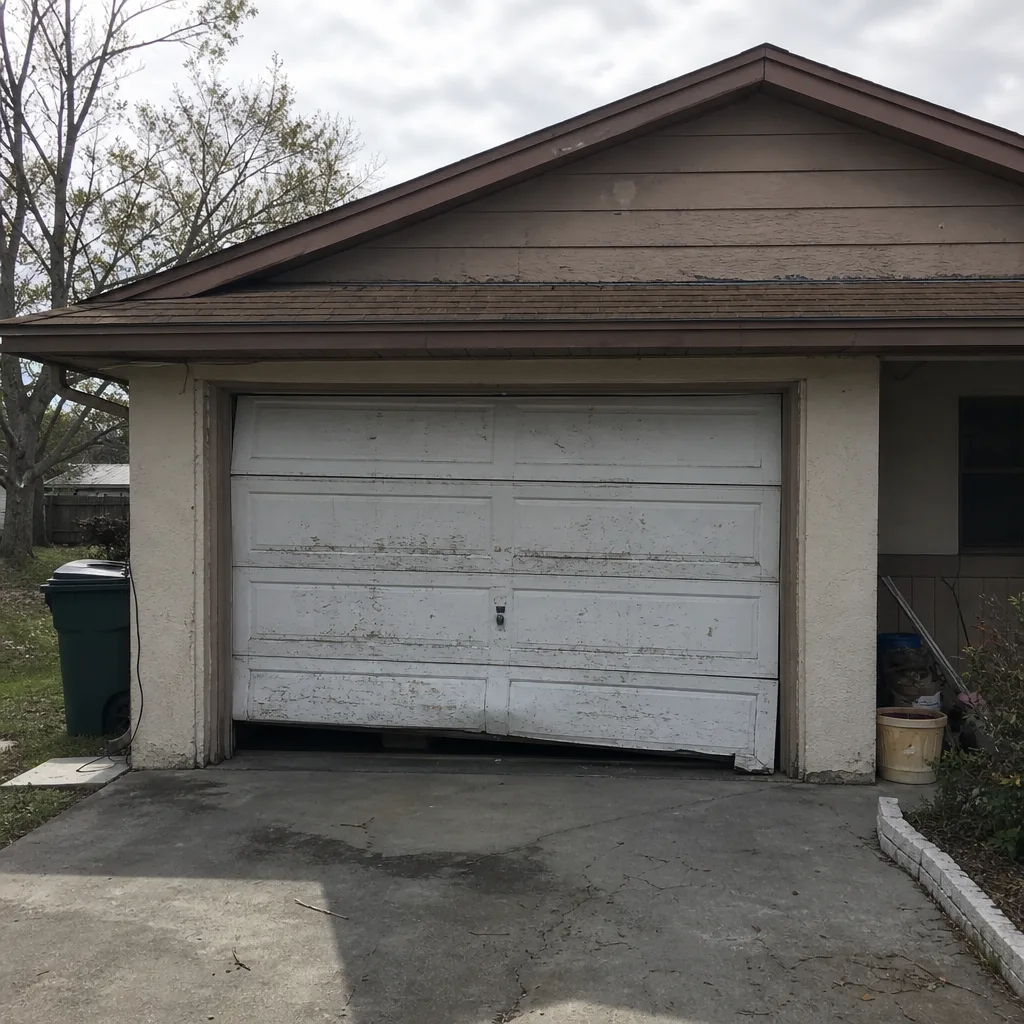 Before
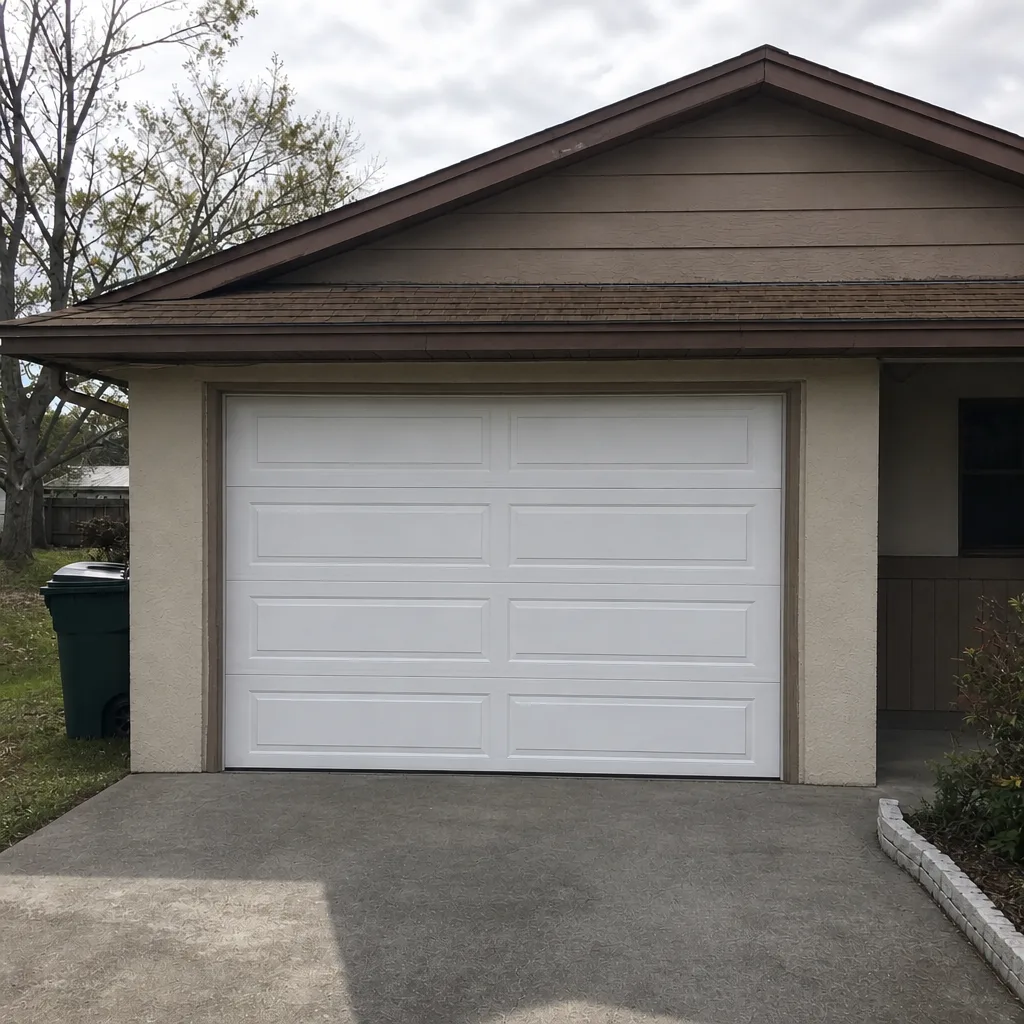 After
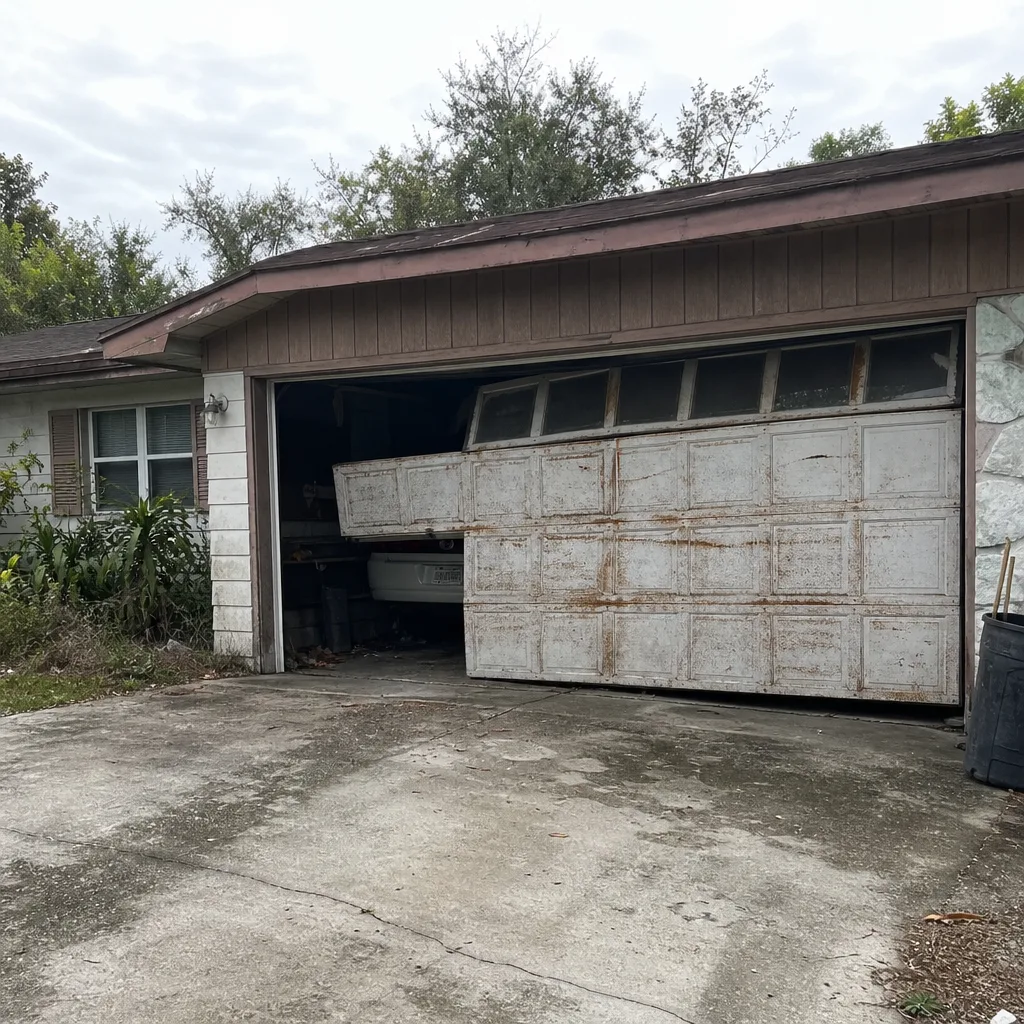 Before
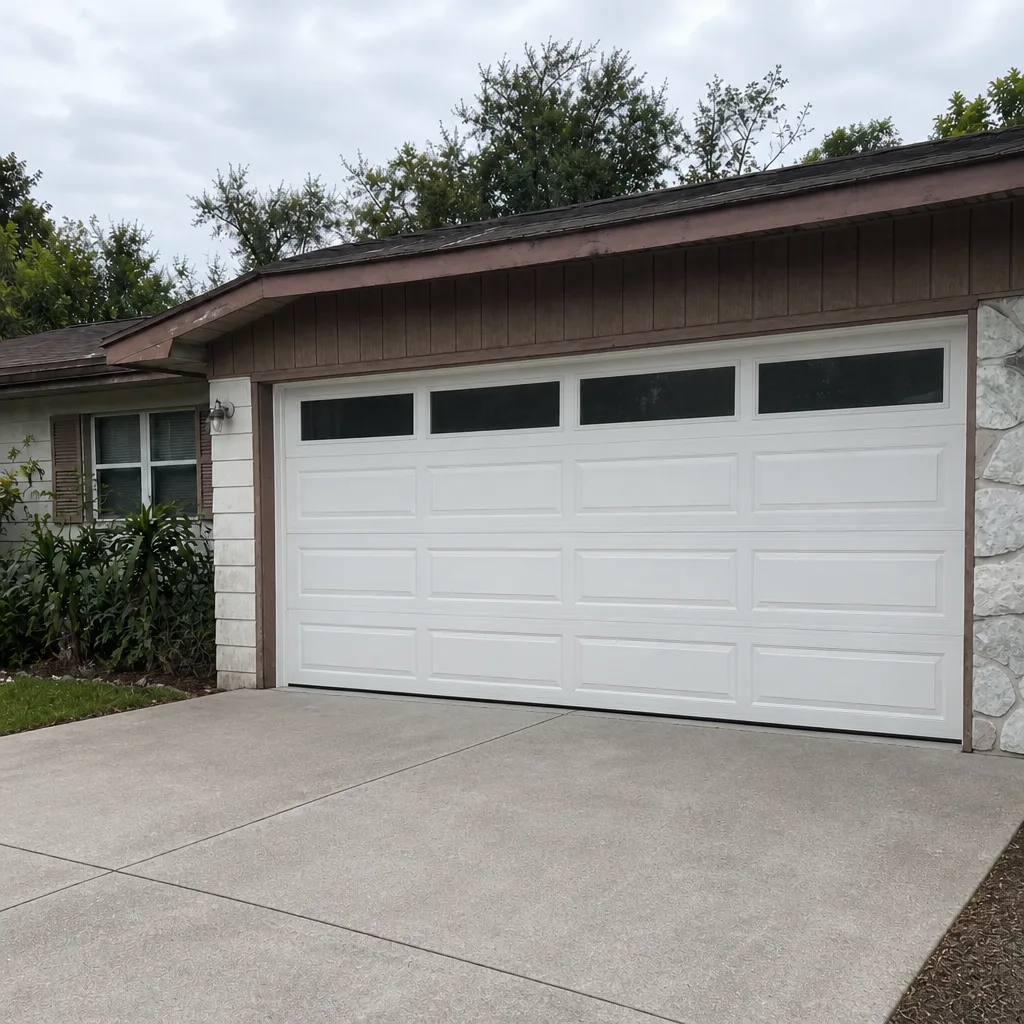 After
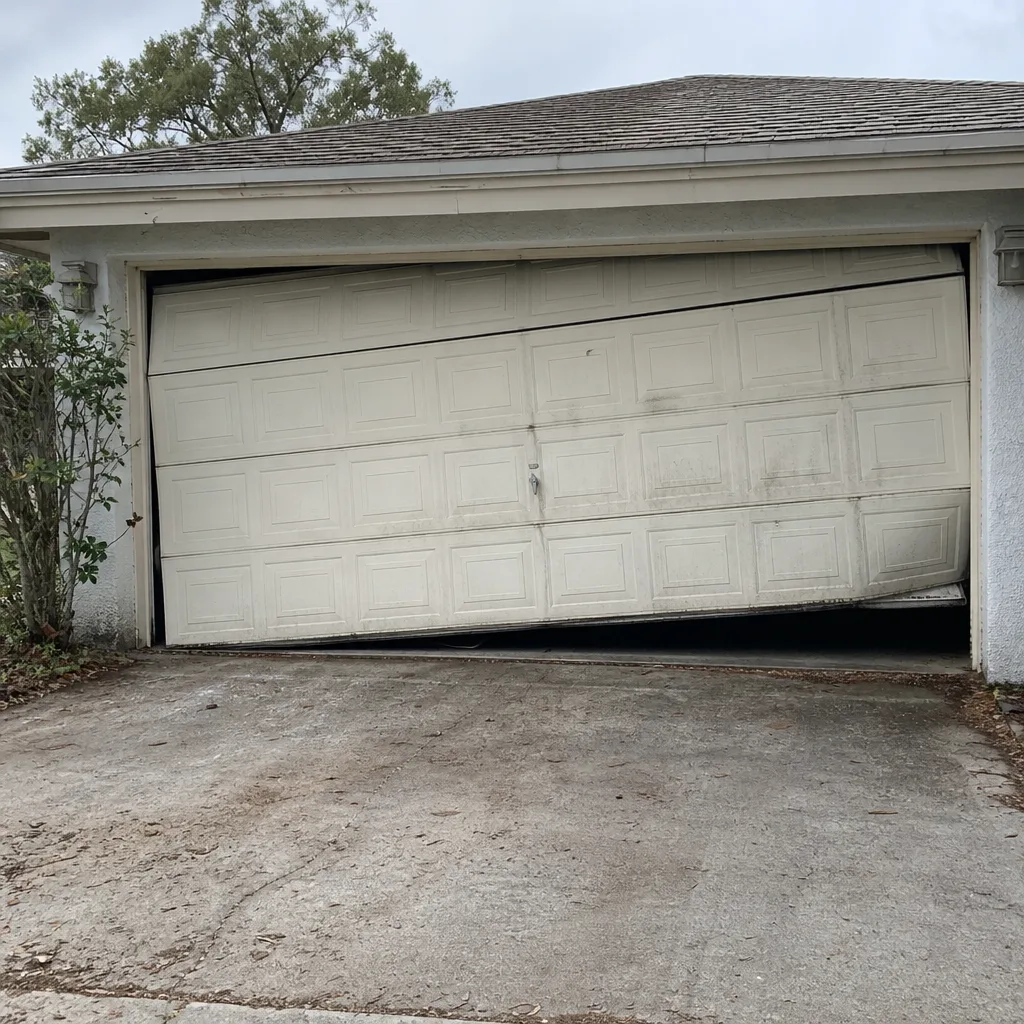 Before
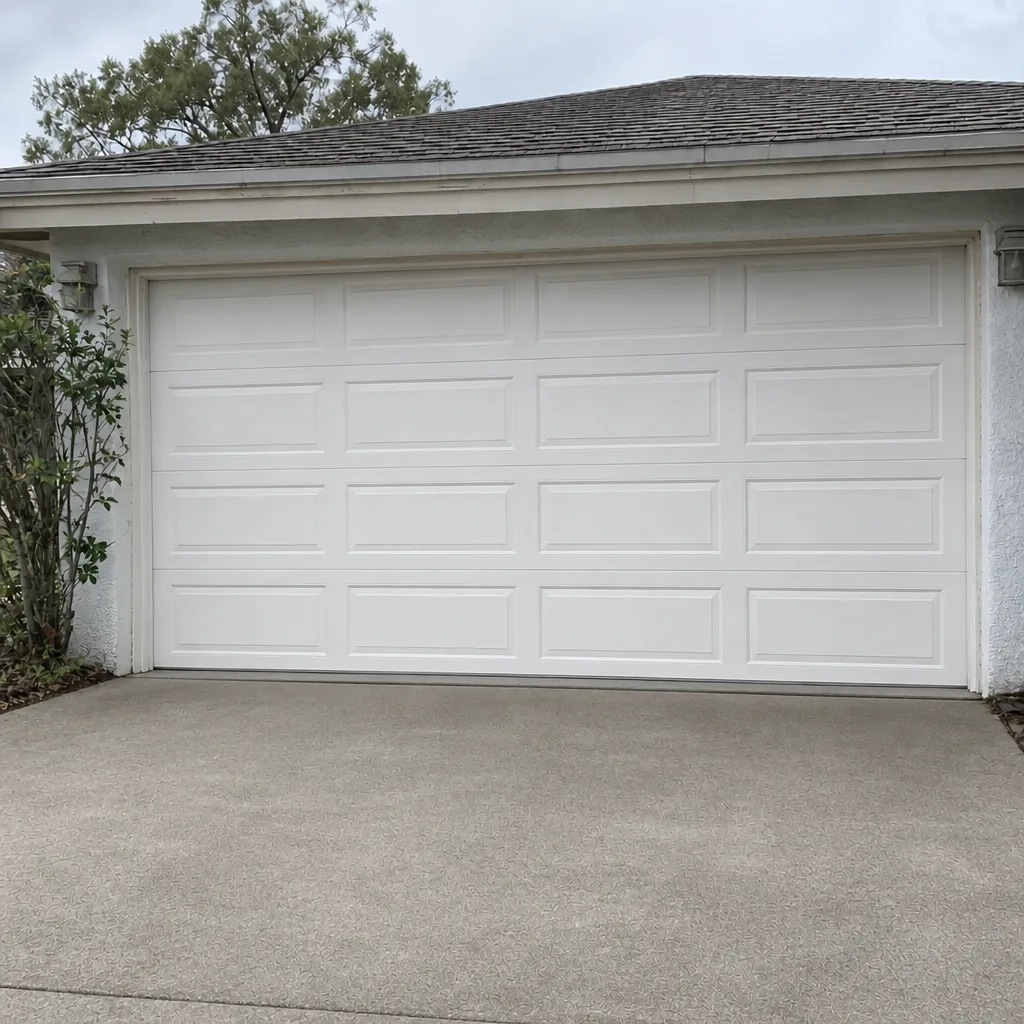 After
When to Call a Professional
Call a professional when the question involves anything structural in the opening, when the door’s designed rating needs to be matched to the local requirement, or when the work touches the springs and cables. Those three categories cover almost every situation that shouldn’t be a weekend project. If you’re mid-way through a permitted replacement and the inspector flags a condition, call before you try to work around it. If your door has failed in a way that leaves the house unsecured, call the emergency line; a door that won’t close is a problem that gets worse with time. And if you’re a homeowner who bought a home with an unpermitted door, get ahead of it with a professional assessment before a buyer’s inspector finds it. We also work directly on garage door opener repair and the rest of the service line when the code question is settled and the repair is the next step.
Winter Haven Garage Door Repair Pros offers free estimates in Winter Haven – call (877) 770-1735. The estimate is written before any work starts, and the written estimate is the price you’ll pay. We’re insured and we’re comfortable being asked hard questions about wind-load ratings and permit documentation; those are the questions that separate a specialist from a generalist. Our technicians have up to 11 years of experience with the eight brands we service: LiftMaster, Chamberlain, Genie, Clopay, Amarr, Wayne Dalton, Craftsman and Raynor.
Frequently Asked Questions
It depends on whether the replacement is a true like-for-like swap and whether your original permit record reflects the same door rating. A same-size, same-rating door replacement with unchanged track and header conditions often does not require a permit, but any change to the wind-load rating, door type, door size, or opening structure typically does. The City of Winter Haven building department has the final say for your address, and a ten-minute call to them settles it. If you want us to help you confirm what to ask, call us at (877) 770-1735 and we’ll walk you through it.
Section 1609 addresses wind loads, and it’s the section that treats the garage door as a structural component rather than a decorative panel. In practice, it means your door has a design pressure rating that’s part of the home’s permitted structural record, and the installed assembly (door, track, anchors, and header bracket load path) must be capable of achieving that rating. Polk County’s inland wind zone doesn’t exempt the door; it sets the specific design pressure the door needs to carry. Ask your installer which design pressure the door was selected for and where the documentation is; if the answer is vague, that’s a problem. Call (877) 770-1735 if you want a second opinion on a door that’s already installed.
An inspection as part of a permitted installation checks hardware attachment points, track gauge, the header bracket load path, the door’s rating label matching the permit application, and operation and safety features. The inspector is verifying that the installed door matches the permitted design, so a door with a different rating than the application will fail even if it looks and opens correctly. Taking a photo of the installed rating label and keeping the permit documentation is cheap insurance against a future question. If an inspection flags a spring or cable condition, don’t touch it yourself; that’s a job for a trained professional, and one we handle.
It can, because Florida policies are written around the structural risk of the home, and the wind-load rating of a garage door is part of that risk profile. When a claim involves wind damage and the door’s permit history doesn’t match what’s installed, the insurer may raise a coverage question. We’re not your insurance advisor, and we can’t tell you how your specific policy will respond, but the pattern is real enough that we tell every customer to keep the permit paperwork with their closing documents. If you’re unsure whether your door was permitted, the City of Winter Haven records office is the place to start. Call (877) 770-1735 if you want us to assess the door itself while you look into the paperwork.
No. Spring repair, cable replacement, roller replacement, track adjustment and opener repair do not change the door’s structural rating and typically don’t require a permit. They do require a trained professional, because the torsion spring and cable assemblies are under extreme tension and are the most dangerous part of any garage door. Our garage door spring repair is handled by technicians with up to 11 years of experience, and we don’t talk a customer through doing it themselves. If your spring has failed, call us; estimates are free.
In typical Polk County practice, the licensed contractor performing the work applies for the permit and the homeowner signs the application as property owner. The permit attaches to the property address, so the final inspection record belongs to the home even after the contractor has moved on to the next job. If a contractor tells you it’s entirely on you, ask why before you sign; sometimes it’s a legitimate reason, but it’s a question worth asking. We’re happy to explain what the door’s rating documentation needs to show so the application goes in cleanly. Call (877) 770-1735 for a free estimate before you order the door.
The Bottom Line
Garage door permits in Winter Haven come down to one question: does the replacement change the door’s wind-load rating or the structural envelope of the opening? If it does, get the permit. If it doesn’t, get a written confirmation from the City of Winter Haven building department that it doesn’t, and keep that with your records. The permit fee is a fraction of what a retroactive permit, a failed inspection or a coverage dispute costs later, and the paperwork is the only thing that connects your door to your home’s structural and insurance record. Section 1609 is the code framework, the City of Winter Haven is the authority, and a specialist who knows how to match a door’s design pressure to the opening is your best protection through the whole process. Springs, openers, panels, full doors: one call covers it, and the estimate is written before the work starts.
Call (877) 770-1735 for a free estimate. We’re happy to help you sort out the code question, the inspection question and the door specification together, because on this job they’re the same conversation.
Written by the team at Winter Haven Garage Door Repair Pros.