Last updated November 23, 2026
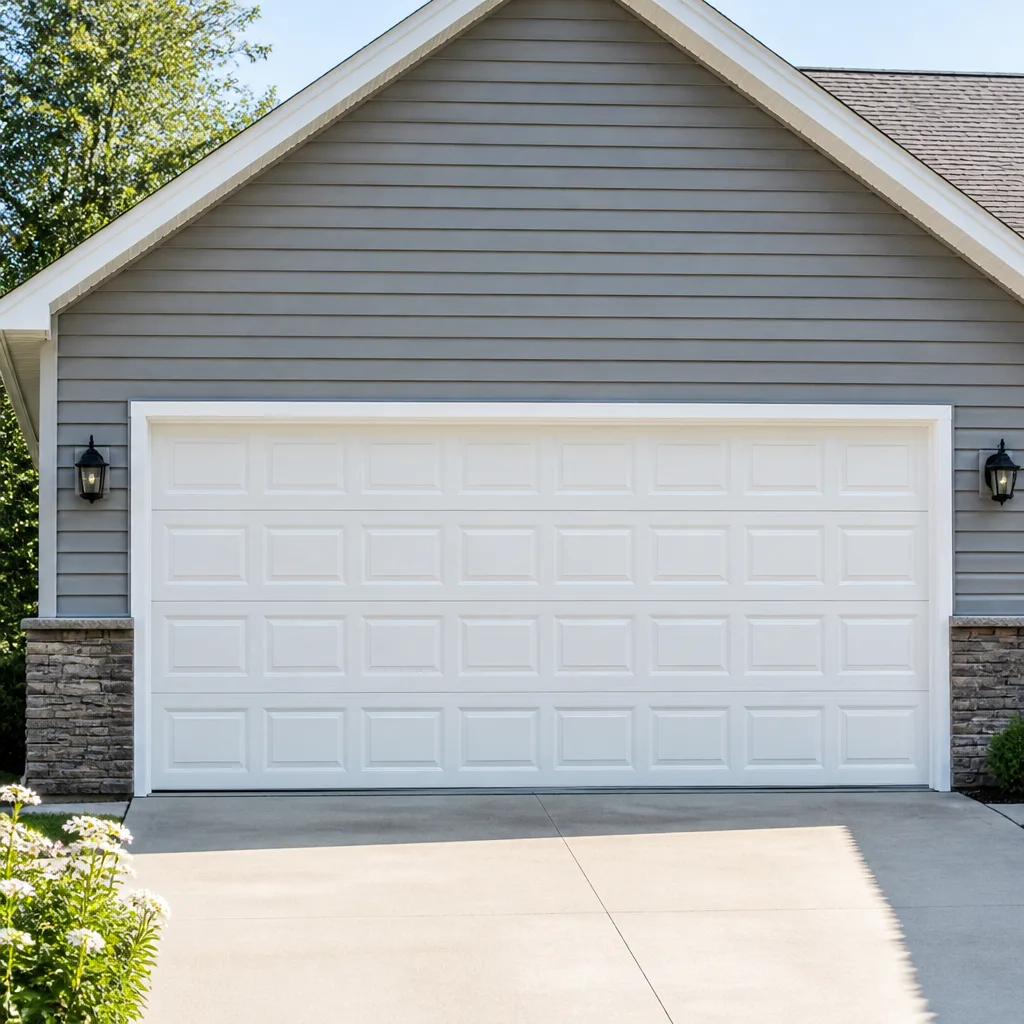 Raised-panel steel
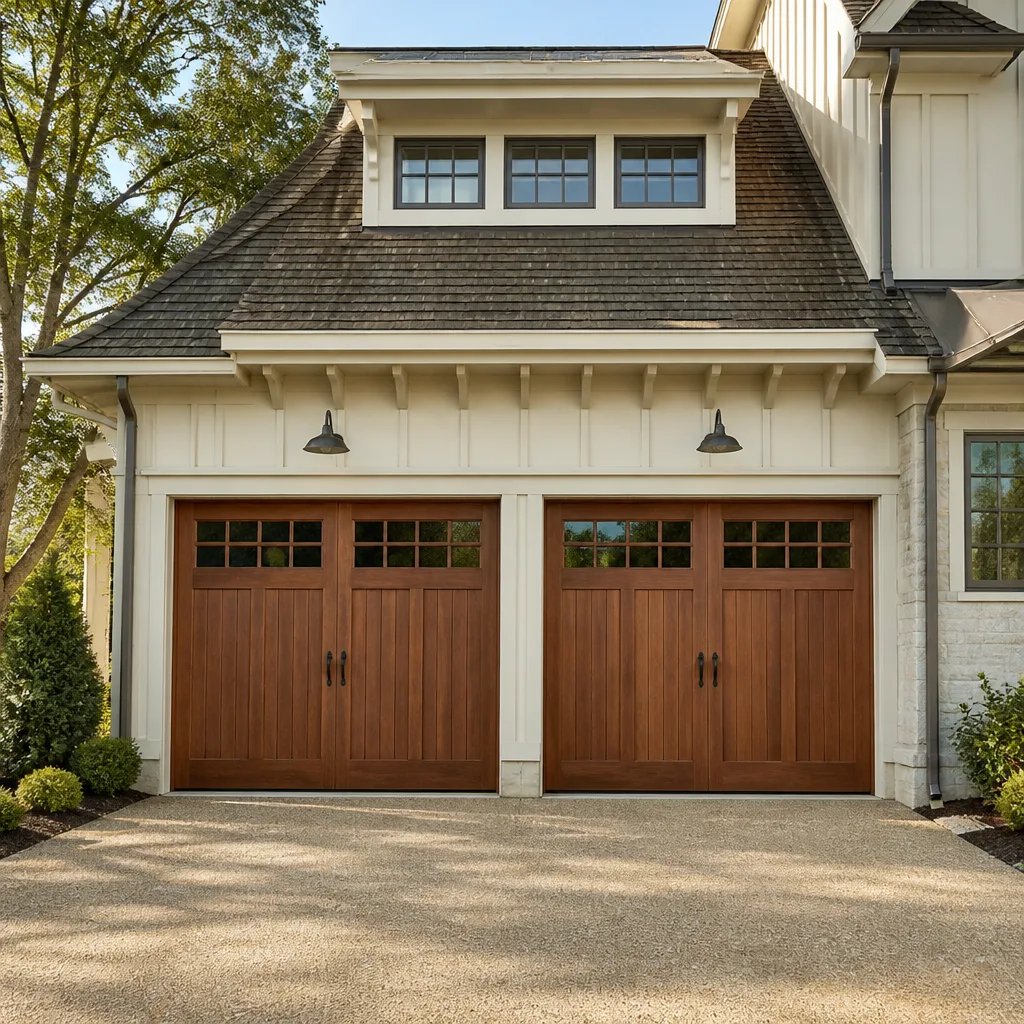 Carriage house
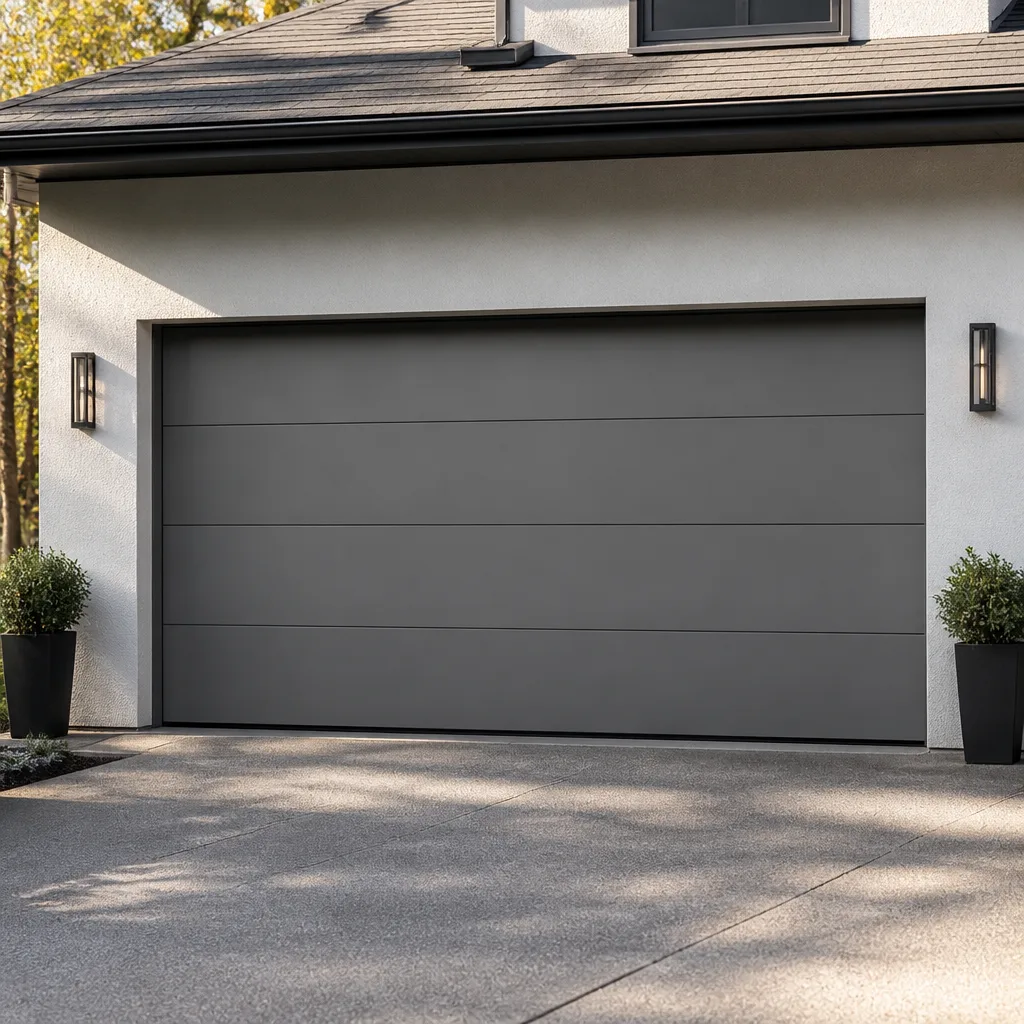 Modern flush
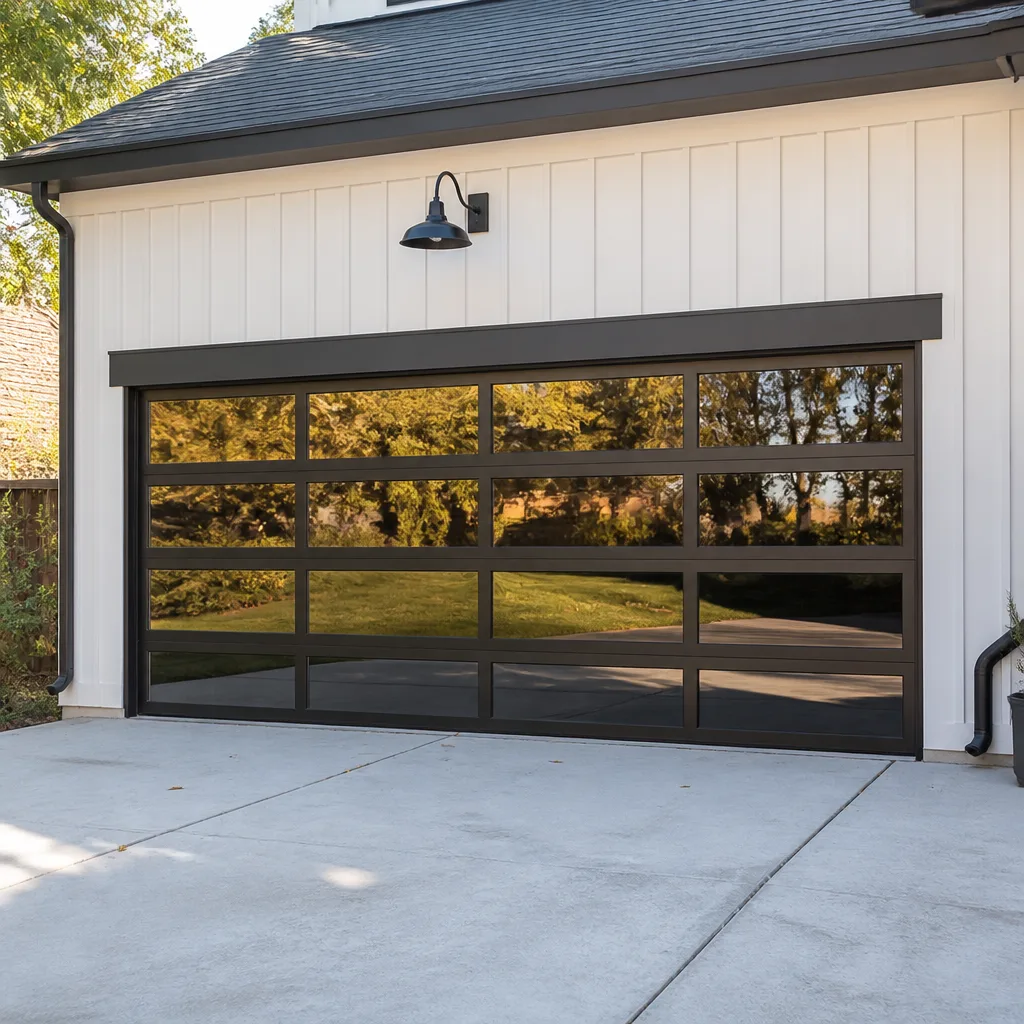 Full-view glass
 LiftMaster openers
 Chamberlain openers
Full 25-point door and opener safety check with every visit - springs, cables, rollers, tracks, and your LiftMaster or Chamberlain opener included
You get a price before we start. It does not change when the pro arrives.
Get your free estimateSeasonal Garage Door Care for Winter Haven: Year-Round Homeowner’s Guide
If you’ve read a garage door care guide that tells you to “winterize your door in October,” you’ve read something written for Minnesota. Winter Haven doesn’t work that way. Our year splits into two real seasons – a wet season that runs roughly May through October and a dry season that carries November into April – and each one does very different damage to a garage door. Summer humidity quietly eats at hardware and seals while your door still opens fine. The dry months are when you find out what five months of damp air actually did. This guide drops the four-season template and builds a care rhythm around what’s really happening to your door here in Winter Haven, from storm prep to the fifteen-minute task that adds years to a spring’s life.
Quick Answer
Garage door care in Winter Haven should follow the wet/dry calendar, not the four seasons: inspect and lubricate hardware and weatherstripping before the May humidity arrives, brace and secure the door ahead of hurricane season, and use the dry months to catch corrosion and UV damage that built up invisibly over summer. The single highest-value task is a once-a-year spring and hardware inspection with proper lubrication, which takes about fifteen minutes and can extend spring life by 2 to 3 years. Anything involving springs, cables, or the opener’s electrical side is a job for a trained technician, not a weekend project.
Styles & brands we work with
- Raised-panel steel
- Carriage house
- Modern flush
- Full-view glass
- LiftMaster openers
- Chamberlain openers
Table of Contents
- Why Winter Haven Has Two Garage Door Seasons, Not Four
- Wet Season Prep (May-October): Beating the Humidity
- Dry Season Audit (November-April): Finding the Hidden Damage
- Hurricane Prep: Bracing the Structural Weak Point
- How Afternoon Thunderstorms Attack Your Opener
- The 15-Minute Task That Adds Years to Your Springs
- Your Monthly Maintenance Rhythm for Winter Haven
- Brand-Specific Notes for LiftMaster and Wayne Dalton Doors
Why Winter Haven Has Two Garage Door Seasons, Not Four
Most garage door maintenance advice assumes a cold winter that freezes the ground and a hot summer that bakes everything. Winter Haven gets neither extreme the way northern guides imagine it. What we get instead is a long stretch of daily humidity and afternoon storms, then a stretch of drier, sunnier weather. That split matters because the two conditions fail a door in completely different ways.
During the wet season, moisture is the enemy. It works into the bottom seal, the weatherstripping, the hinges, the rollers, and the lift cables. Metal that stays damp for months starts to pit. Rubber seals soften, swell, and lose their grip against the floor. Paint on steel doors holds moisture against the panel if it’s nicked. None of this announces itself. The door keeps opening and closing, so most homeowners never look.
The dry season is when the bill comes due. As humidity drops, the damage that built up over summer becomes visible: rust blooms on hinges, a bottom seal that’s cracked or pulled away, a panel where sun and moisture worked together to lift the finish. The dry months are also your window to fix it before the next wet season starts the cycle again.
So the useful question isn’t “what season is it” but “what is the weather doing to my door right now.” In Winter Haven, that means planning around May and November, the two hinge points of the year. Everything else in this guide hangs off those two dates.
Wet Season Prep (May-October): Beating the Humidity
The best time to get ahead of wet-season damage is the few weeks before the humidity settles in for good. Once daily afternoon storms start, you’re in maintenance-and-watch mode rather than prep mode. Here’s what actually matters in a Winter Haven wet season:
- Weatherstripping and bottom seal. These are the first parts to suffer. Check that the bottom seal still makes contact across the whole width of the door and that the side and top seals aren’t pulling away. A seal that’s lost its spring lets humid air and rain in at the edges, and that moisture sits against the panel and frame.
- Hinges, rollers, and tracks. Steel hinges and rollers are where rust starts. A proper garage-door lubricant on hinges, rollers, and the spring (never grease on the tracks) keeps moisture from settling into the joints. Tracks should be wiped clean and left dry.
- Paint and finish on steel doors. A chip in the paint on a steel door is a place where moisture gets under the finish. Touch up bare spots before the wet season, not after.
- Drainage around the opening. If water pools against the base of the door after a storm, the bottom seal and the frame stay wet long after the rain stops. Grading and a clear path for runoff matter as much as the door itself.
If your door is a wood or wood-composite model, wet season is harder on it than on steel or aluminum. Wood swells with sustained humidity, and paint or stain is the only thing standing between the panel and moisture. Check the lower panels and the bottom edge first, since those see the most splash.
One thing we’ve learned from years of wet-season calls in Winter Haven: the doors that fail are almost never the ones that got a quick look in May. They’re the ones nobody touched until something stopped working in August. A half hour of prep in late spring is cheaper than a repair in the middle of storm season.
Dry Season Audit (November-April): Finding the Hidden Damage
When the humidity drops, do a real inspection. The dry season is the honest season – it’s when you can finally see what the wet months did. Work through this as a numbered walkthrough:
- Walk the whole door with a light. Look at every hinge, roller, and the bottom edge for rust, bubbling paint, or cracking seals. What looks cosmetic in summer often turns out to be the start of a real problem by November.
- Test the balance. Disconnect the opener (pull the release handle) and lift the door halfway by hand. A balanced door stays put. One that drops or rises on its own is telling you the springs are tired.
- Check the bottom seal against the floor. With the door closed, look for daylight or gaps under the seal. A seal that’s flattened or cracked lets in water, insects, and humid air.
- Look at the sun-facing panels. The side of the door that takes the most direct afternoon sun is where UV damage shows up first – faded finish, chalky paint, or a composite panel that’s starting to look dry.
- Listen to the opener. Grinding, straining, or a door that jerks on the way up is a sign the opener is working harder than it should. That’s often a door problem showing up through the opener, not an opener problem itself.
- Check the safety reverse. Put a small object in the door’s path and close it. The door should reverse on contact. If it doesn’t, that’s a safety issue to fix before anything else.
Do this audit once in November and again in early spring. Winter Haven’s dry season is long enough that a door can develop a new issue between the two, and catching it early keeps a small fix from turning into a spring or opener replacement.
Hurricane Prep: Bracing the Structural Weak Point
Your garage door is the largest opening in your house, and in a named storm it’s also the most vulnerable. Most homeowners brace windows and forget the door. That’s backwards. A garage door that fails under wind pressure doesn’t just break – it opens the whole structure to the storm, and the pressure change inside the house can do damage far beyond the garage.
Hurricane prep for a garage door is mostly about honesty. Not every door can be braced to a given wind rating, and older doors especially may not be rated for what a homeowner assumes. Here’s how to approach it before a storm is named:
- Know what your door is rated for. If your door was installed with a wind rating, find out what it is and whether the rating applies to the door alone or to the door plus a bracing system. This is on the label or the original paperwork. If you can’t find it, ask before storm season.
- Bracing systems are door-specific. A retrofit brace that fits a Clopay or Amarr door isn’t the same as one for a Wayne Dalton. Using the wrong brace is worse than using none, because it gives false confidence.
- Check the tracks, hinges, and rollers before the storm. A door that’s loose or out of adjustment is more likely to fail. If anything wobbles, get it looked at well before a storm forms.
- Do the pre-storm test now, not two days out. When a storm is forecast, everyone tries to get a door checked at once. Get the inspection done in the dry season so you know your door’s real condition when it matters.
One practical note for Winter Haven homeowners: after a storm passes, check the door before you use the opener. Storm debris, a shifted track, or a door that’s been pushed off its line can turn a normal cycle into a jam. If the door looks off, call before you run it.
How Afternoon Thunderstorms Attack Your Opener
Daily summer thunderstorms are a Winter Haven fact of life, and the opener’s circuit board is the part that feels them most. A nearby lightning strike sends a surge through the wiring in your home, and that surge doesn’t have to hit your house directly to damage sensitive electronics. The opener is plugged in, connected to the door, and often the first thing to show symptoms after a storm.
What actually protects an opener is a surge protection device rated for the kind of surge a nearby strike produces – not a cheap power strip. A standard strip protects against small spikes from appliances cycling on and off. A whole-home surge protector at the panel, or a properly rated device at the outlet feeding the opener, is what’s built for a lightning-adjacent event. If you’re not sure what you have, an electrician can tell you; the opener itself is not the place to improvise.
Signs an opener took a surge hit include:
- The wall control or remote stops working but the door still moves on the manual release.
- The opener beeps, flashes, or resets itself repeatedly.
- The door reverses for no reason or stops partway.
- The opener’s lights work but it won’t respond to commands.
If your opener shows any of these after a storm, unplug it before troubleshooting. This is one area where the fix is genuinely a technician’s call. Board-level diagnosis on a LiftMaster or Craftsman unit is different from a Genie, and a surge can damage more than one component. When your opener is misbehaving, we can look at it – specialist work on the electronics rather than guesswork.
The 15-Minute Task That Adds Years to Your Springs
This is the one most seasonal guides skip entirely, and it’s the one that pays off most. Your torsion or extension springs do more work than any other part of the door. They carry the door’s weight on every open and close. A spring that’s kept clean, properly lubricated, and balanced against the door lasts measurably longer than one that’s ignored – in our experience, 2 to 3 years longer on a typical door.
The task has two parts, and only one of them is something a homeowner should do.
- Lubricate the spring and moving hardware once a year. A proper garage-door lubricant on the spring coils, hinges, and rollers keeps moisture out and friction down. This is the fifteen-minute part. Do it in the dry season, before the humidity returns. Never use grease on the tracks and never use WD-40 as a long-term lubricant – it’s a solvent, not a protectant.
- Check the balance and let a professional inspect the spring itself. The spring’s condition – not just whether it works, but whether it’s showing fatigue, rust, or a crack – is something to look at closely. Springs are under extreme tension. A trained technician can assess them safely; a homeowner cannot. This is the part that actually decides whether a spring fails early or runs its full life.
We can’t overstate the safety side. Garage door springs and cables are under high tension, and a spring that lets go while someone is working near it can cause serious injury. Checking the balance of a door is safe once the opener is released. Touching, adjusting, or trying to loosen a spring is not. If your inspection turns up a spring that looks fatigued, cracked, or rusty, call. Garage door spring repair is the one job in this guide that should always be a professional’s – not because it’s complicated, but because it’s genuinely dangerous.
Your Monthly Maintenance Rhythm for Winter Haven
The cleanest way to stay ahead of two-season damage is a light monthly rhythm. You don’t need a toolbox for most of it. Here’s the calendar that matches Winter Haven’s actual year:
- Every month: Open and close the door and listen. Note any grinding, jerking, or change in sound. Run the safety reverse test. Wipe the tracks clean and dry.
- Late April: Full wet-season prep. Check weatherstripping and bottom seal, touch up paint, lubricate hinges and spring, verify drainage.
- May through October: After each storm, glance at the door and check that the bottom seal is still making contact. Watch the opener for surge symptoms.
- Early November: The dry-season audit. Walk the door, test balance, check for rust and UV damage, inspect the sun-facing panels.
- Once a year (dry season): Lubricate the spring, hinges, and rollers. Get the spring itself inspected by a technician.
- Before hurricane season peaks: Have the door’s wind rating and bracing confirmed. Fix any loose hardware well ahead of a named storm.
That’s the whole system. The parts a homeowner can do safely take minutes. The parts that need a technician – spring inspection, opener electronics, wind-rating checks, track realignment – are worth scheduling once a year rather than waiting for a failure. If a door or opener issue does turn up, garage door repair in Winter Haven is straightforward when it’s caught early and much more involved when it’s caught late.
Brand-Specific Notes for LiftMaster and Wayne Dalton Doors
Not every door and opener ages the same way, and knowing your brand helps you know what to watch. We work on LiftMaster, Chamberlain, Genie, Clopay, Amarr, Wayne Dalton, Craftsman, and Raynor equipment, and each has its own quirks in this climate.
LiftMaster and Chamberlain openers are built to take a lot, but the circuit boards are the part that suffers most from a surge after a storm. If your LiftMaster opener starts acting erratically after a lightning-heavy week, that’s the place to look first, and the fix is board-level diagnosis rather than replacing the whole unit.
Wayne Dalton doors, especially the steel models, are common in Winter Haven garages and hold up well – but their hinges and bottom seals are the first to show wet-season wear. Their hardware takes moisture like any steel, so the dry-season audit is where you catch a Wayne Dalton that’s starting to pit at the hinges.
Raynor doors are solid and long-lived, but on a door that’s been through a few wet seasons, the finish on the lower panels is worth a close look in November. A Raynor that’s still opening smoothly can still be quietly rusting at the bottom edge.
When something needs attention, brand-specific knowledge matters. Diagnosing a garage door opener repair on a LiftMaster is a different process from a Genie, and a door that won’t track right on a Wayne Dalton calls for different adjustments than a Clopay. It’s the difference between guessing and knowing where to look.
Common Mistakes to Avoid
- Following a northern seasonal guide. October in Winter Haven is the end of hurricane season and the start of your real inspection window, not “winterize the door” time. A guide built for freezing weather will have you doing the wrong thing at the wrong time.
- Ignoring the bottom seal until it fails. It’s cheap to replace and it’s your door’s first line against humidity. Waiting until water is getting in means the damage is already behind the seal.
- Using WD-40 or grease on the moving parts. WD-40 is a solvent that strips lubrication, and grease on the tracks traps dirt. A proper garage-door lubricant on the spring, hinges, and rollers – and dry tracks – is the right call.
- Skipping the balance test in the dry season. A door that’s out of balance is putting extra strain on the opener all year. Testing in November catches it before it costs you an opener.
- Assuming the garage door is fine for hurricane season. It’s the largest opening in the house and the one most often ignored. Confirm the wind rating and bracing well before a storm is named, not after.
- Touching the springs yourself. Springs are under extreme tension. Lubricating them from a safe position is one thing; trying to adjust or remove one is how serious injuries happen. Leave that to a technician.
- Relying on a power strip for opener protection. A cheap strip won’t stop a surge from a nearby strike. If lightning is a regular summer event, surge protection rated for it is the investment that protects the board.
See the difference
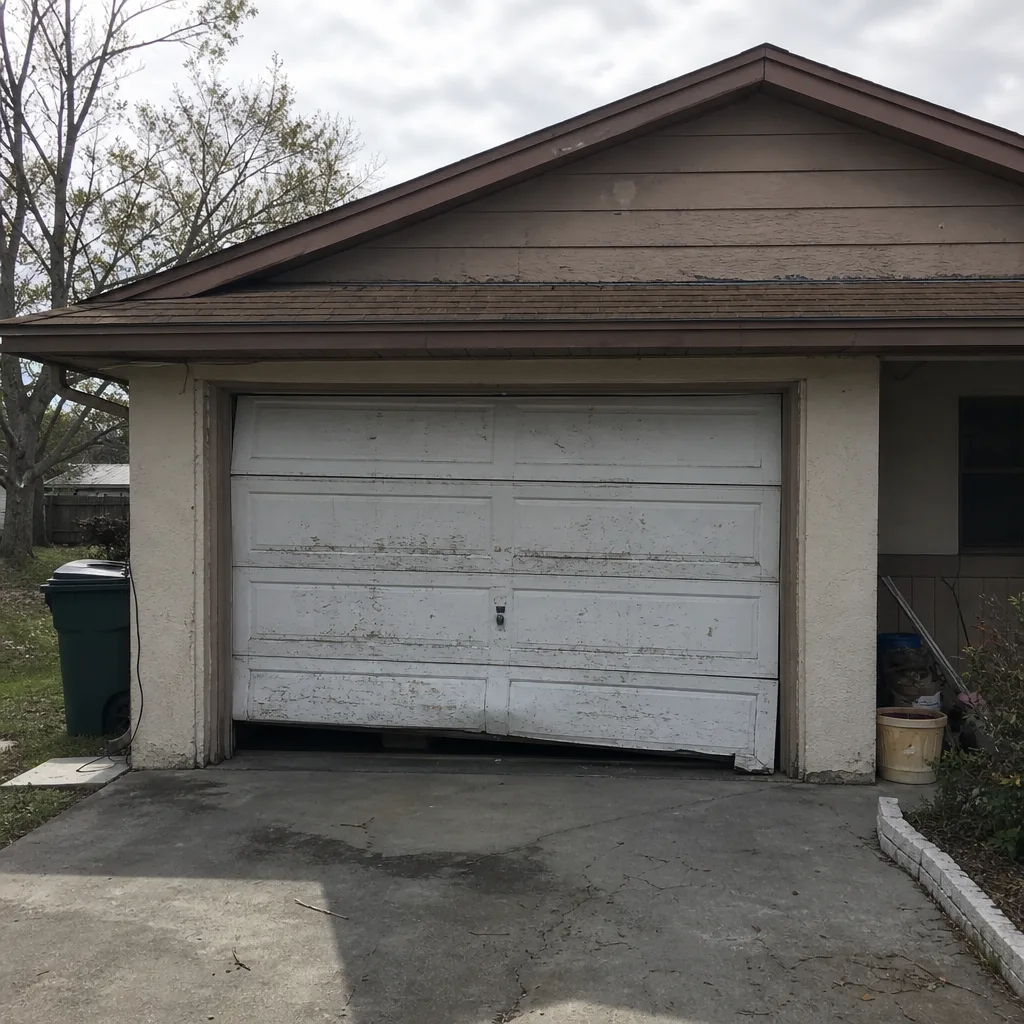 Before
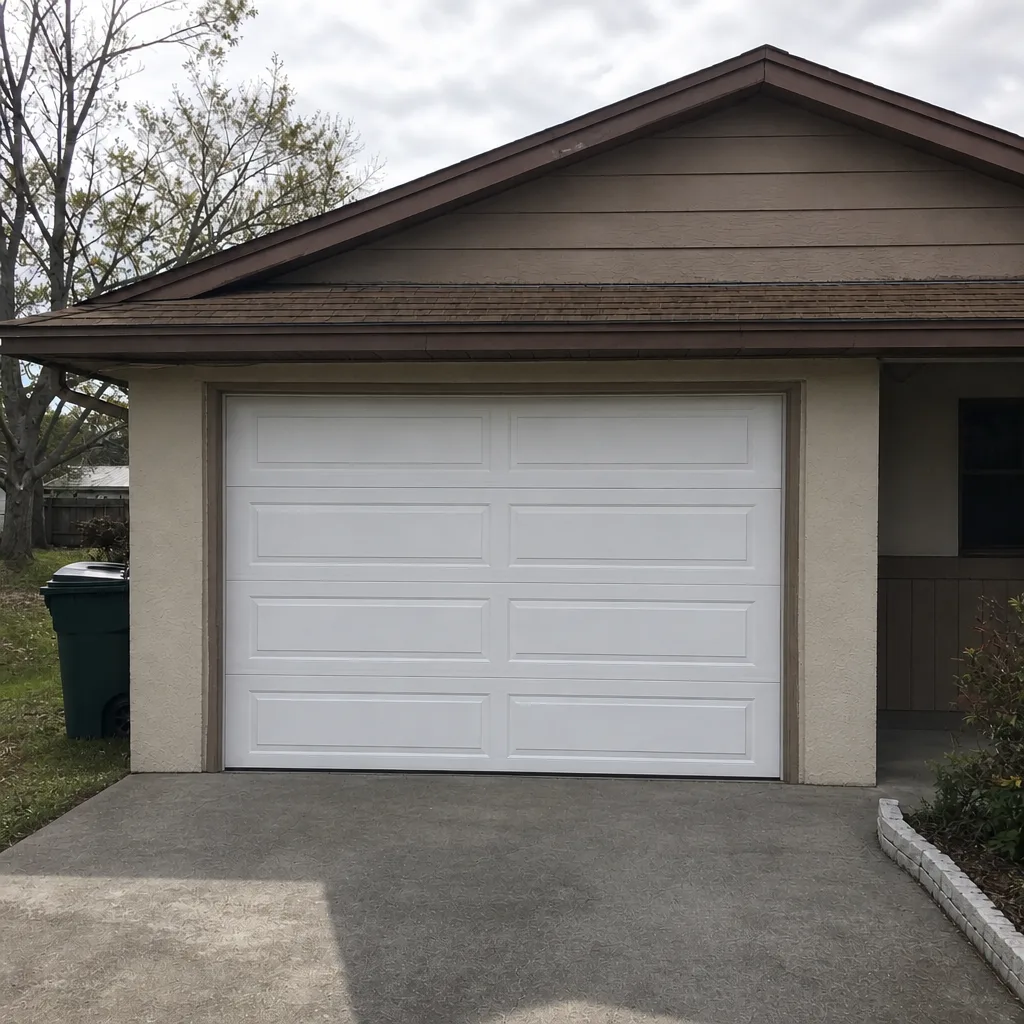 After
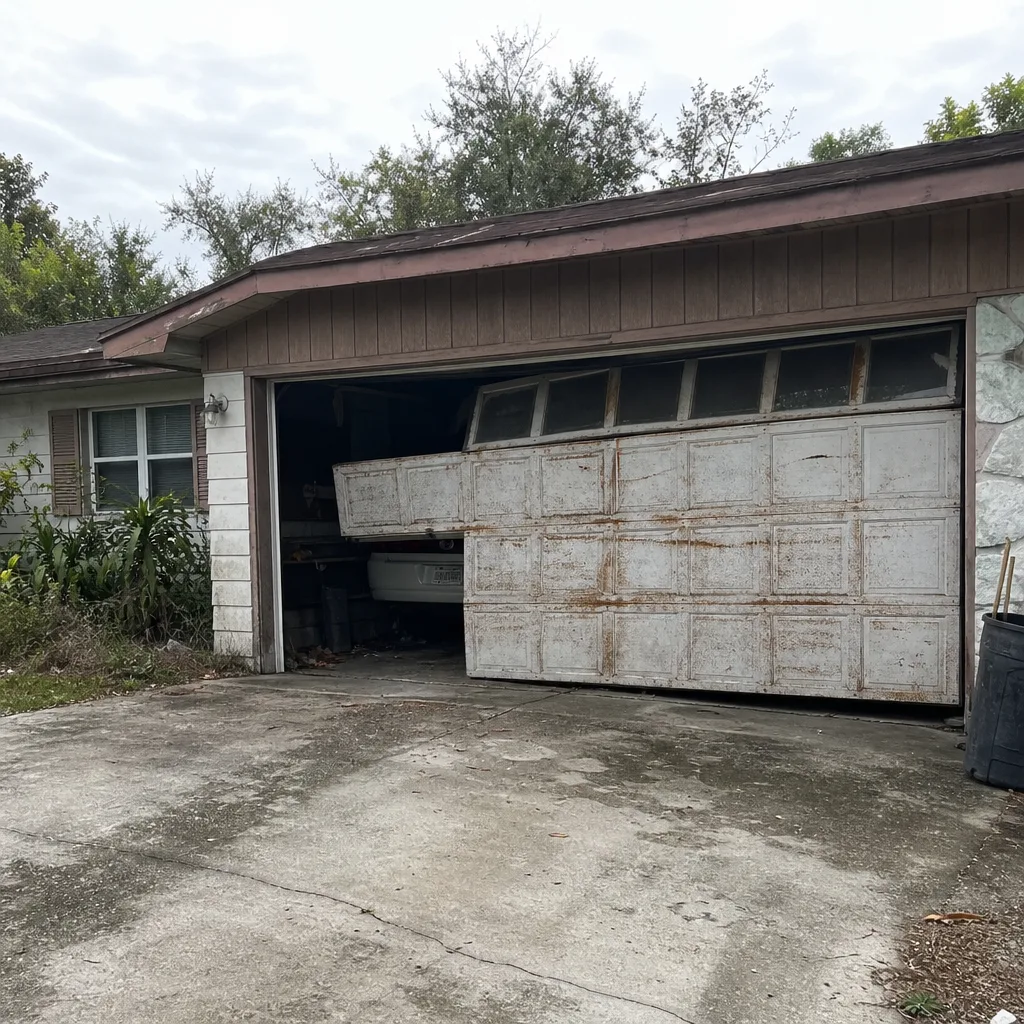 Before
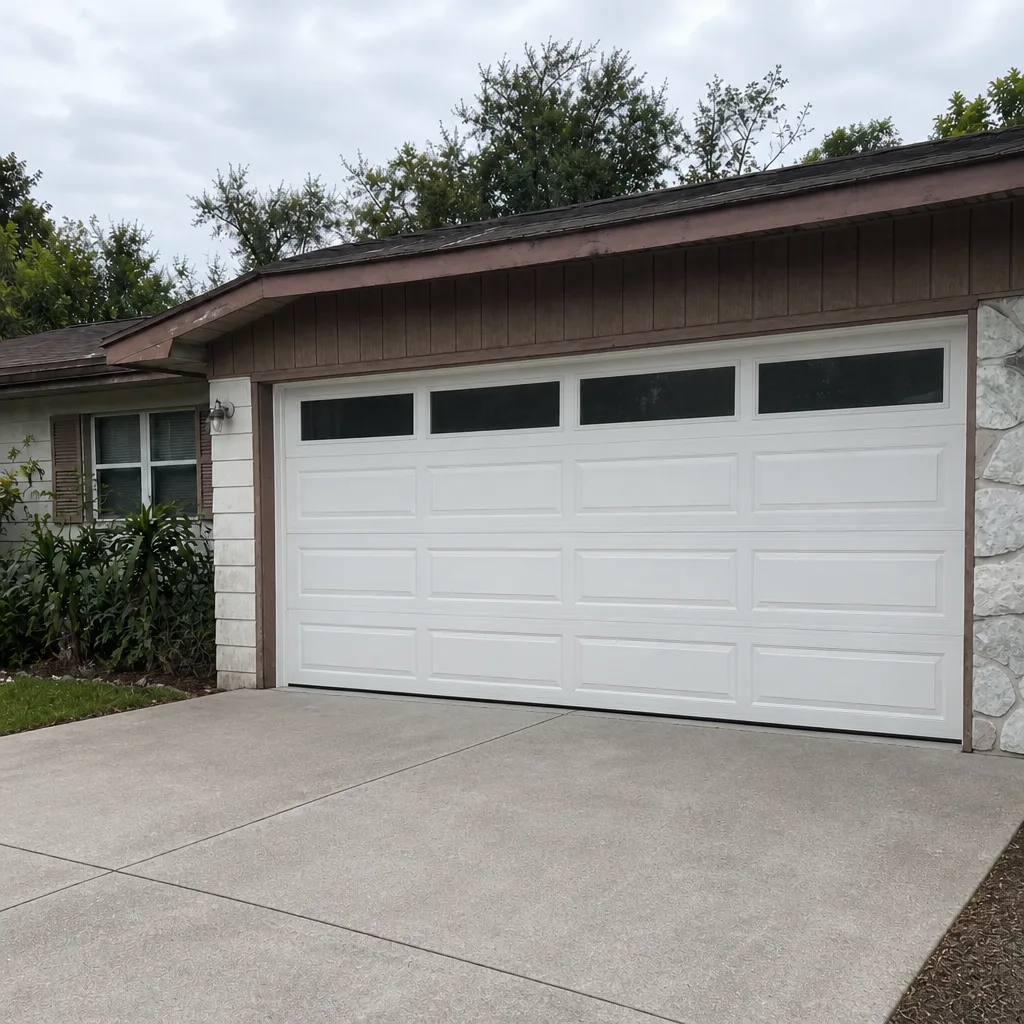 After
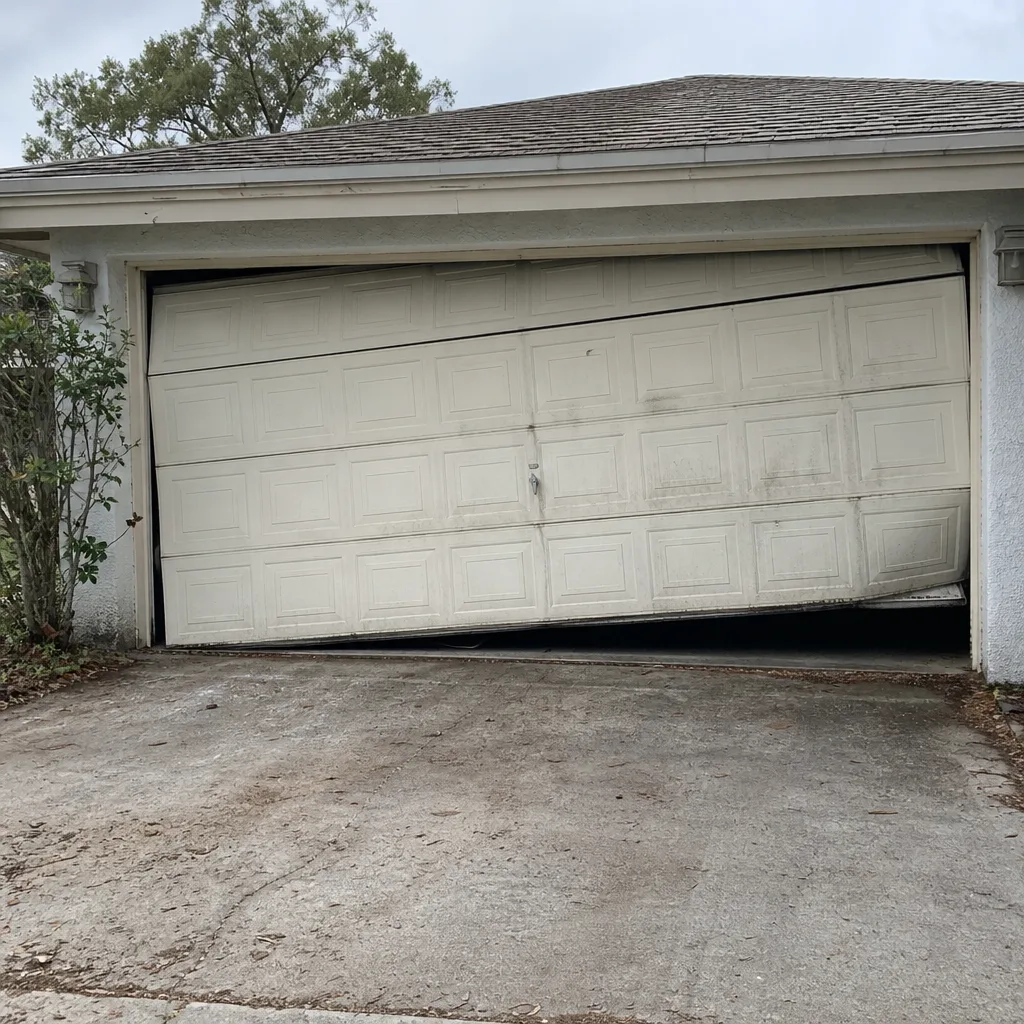 Before
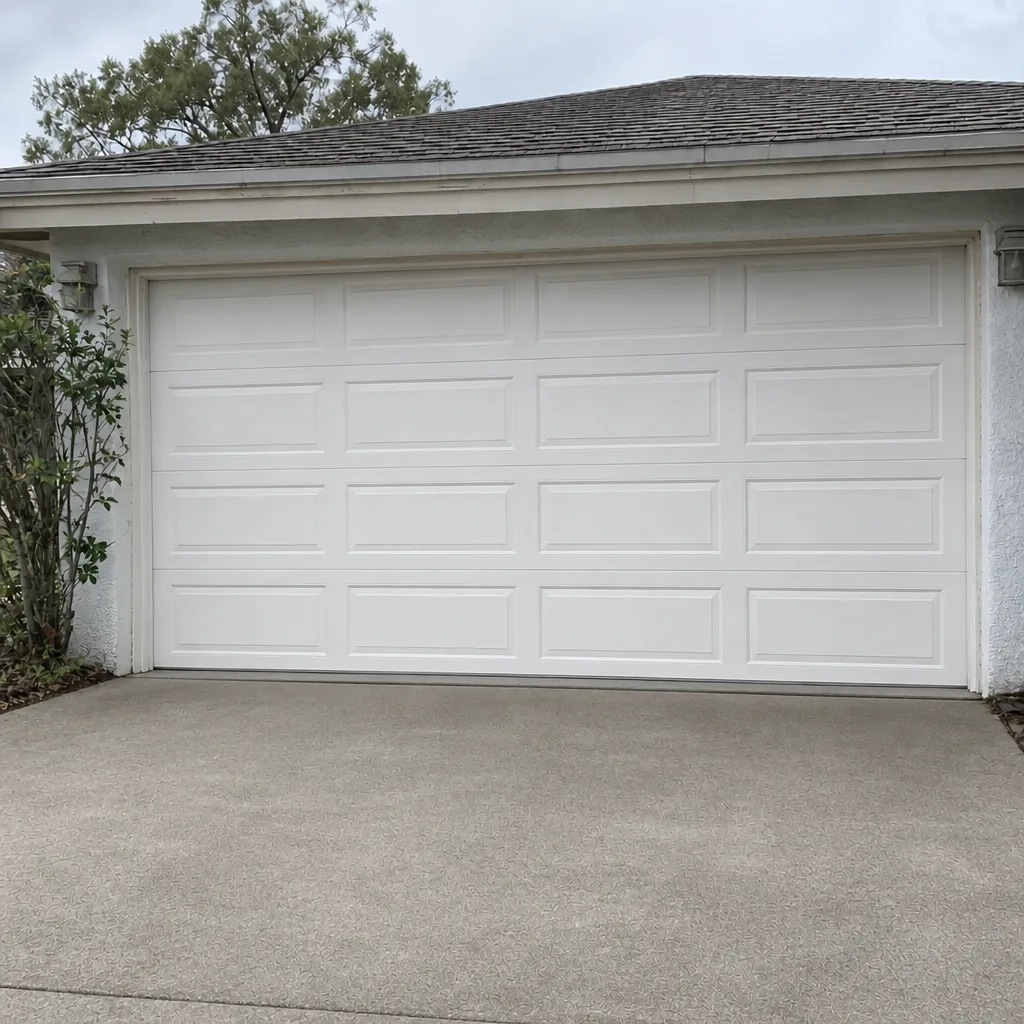 After
When to Call a Professional
Some seasonal care is yours to handle: wiping tracks, testing balance, checking seals, lubricating hardware. Other problems are a technician’s call, and it’s worth knowing the line. Call a professional if your door is out of balance, if you hear grinding or squealing, if the bottom seal or weatherstripping needs replacing, if the door isn’t rated for your storm needs, if the opener shows surge symptoms, or if a spring looks fatigued, cracked, or rusty. Springs and opener electronics are safety-critical – they’re under high tension or connected to your home’s power, and the wrong touch can hurt you or make a small fix much bigger. Winter Haven Garage Door Repair Pros offers free estimates in Winter Haven – call (877) 770-1735. Our technicians have up to 11 years of experience, and we work on the brands in your garage, from LiftMaster openers to Wayne Dalton doors.
Frequently Asked Questions
Do the main prep in late April, before the wet season, and the full inspection in early November, once humidity drops. Winter Haven’s two-season climate means those two dates matter more than the four-season calendar most guides use. Anything that turns up in the November audit is best fixed before the next wet season starts.
Once a year is enough for most homes here, done in the dry season. Lubricating the spring, hinges, and rollers with a proper garage-door lubricant keeps moisture out during the wet months and reduces friction year-round. Combined with a yearly inspection, that rhythm can add 2 to 3 years to a spring’s life. If a spring looks rusty or cracked, call (877) 770-1735 before you touch it.
Yes, and it’s the door-specific kind of bracing that matters, not a generic kit. Your garage door is the largest opening in the house and the most vulnerable in a named storm, so confirming its wind rating and the right bracing system before storm season is worth doing in the dry months. If you’re not sure what your door is rated for, call us at (877) 770-1735 for a free estimate.
A nearby lightning strike can send a surge through your home’s wiring and damage the opener’s circuit board, even if the strike didn’t hit your house. Symptoms include a wall control that stops working, the opener resetting on its own, or the door stopping partway. Unplug it and get it looked at rather than running it. Call (877) 770-1735 for opener help.
No. Garage door springs are under extreme tension and a spring that releases while you’re near it can cause serious injury. Lubricating the spring from a safe position is fine; adjusting, removing, or replacing one is a trained technician’s job. Call (877) 770-1735 – estimates are free, and a proper spring repair is well worth it.
It does, mostly invisibly. Five months of sustained humidity works into the bottom seal, hinges, and rollers, and the door keeps opening normally the whole time, so most homeowners don’t notice until the dry season reveals rust and cracked seals. The fix is a little prep in late April and an honest inspection in November. If you’d rather have a technician look, call (877) 770-1735.
The Bottom Line
Winter Haven doesn’t do four seasons, and your garage door care shouldn’t pretend it does. The useful rhythm is two dates: late April for wet-season prep and early November for the dry-season audit. Between those, a monthly listen-and-check keeps small issues small. The single highest-value task is the annual spring lubricant and inspection, which takes fifteen minutes of your time and can add 2 to 3 years to a spring’s life. Everything spring- or electronics-related belongs to a technician. Keep the calendar, watch the door, and when something turns up that you shouldn’t touch, that’s the moment to call. Winter Haven Garage Door Repair Pros is here for that – call (877) 770-1735 for a free estimate. You can also start with our Winter Haven Garage Door Repair Pros page for the full picture of what we do.
Written by the team at Winter Haven Garage Door Repair Pros.